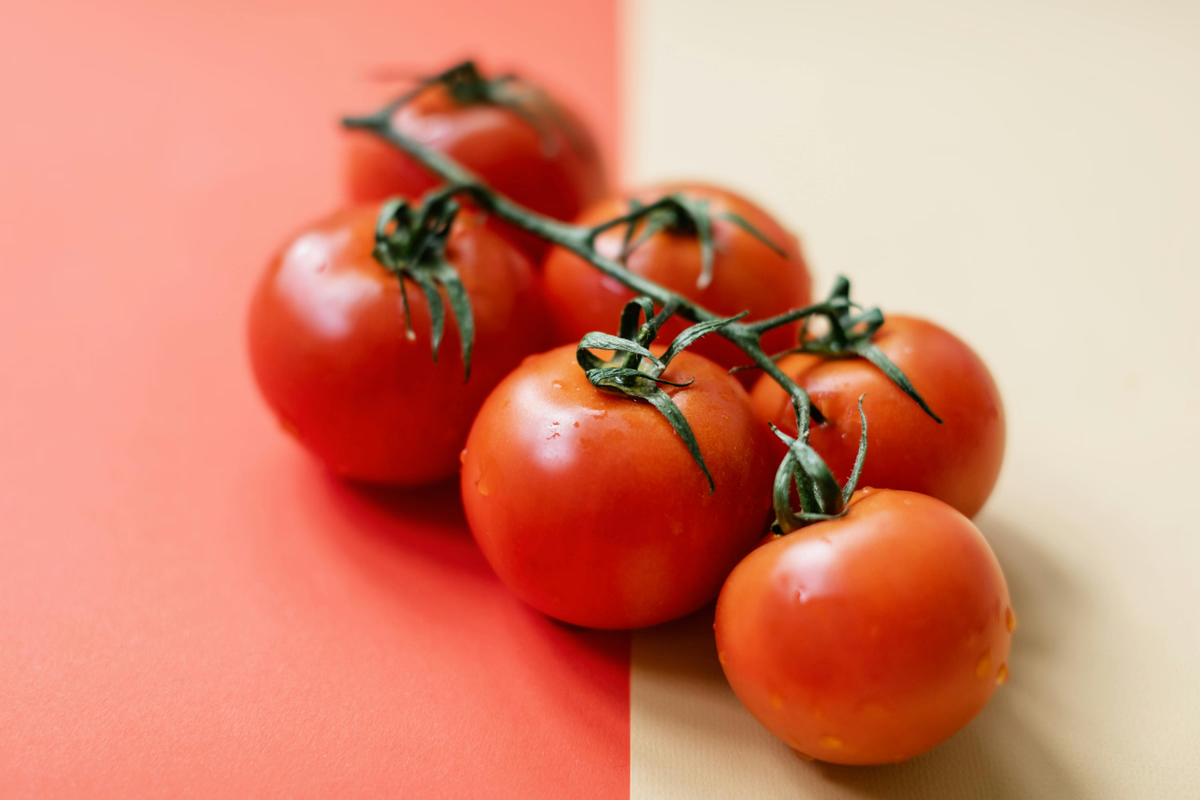
Tomatoes
Serving: 1.00 cup (180g, 32 cal)
Key Nutrients
| Nutrient | Amount | DV% | Rating |
|---|---|---|---|
| vitamin C | 24.66 mg | 33% | Excellent |
| biotin | 7.2 mcg | 24% | Excellent |
| molybdenum | 9 mcg | 20% | Excellent |
| vitamin K | 14.22 mcg | 16% | Excellent |
| copper | 0.11 mg | 12% | Very Good |
| manganese | 0.21 mg | 9% | Very Good |
| potassium | 426.6 mg | 9% | Very Good |
| vitamin A | 74.97 mcg RAE | 8% | Very Good |
| vitamin B6 | 0.14 mg | 8% | Very Good |
| fiber | 3.78 g | 13% | Very Good |
| folate | 18 mcg | 5% | Very Good |
| vitamin B3 | 1.07 mg | 7% | Very Good |
| vitamin E | 0.97 mg (ATE) | 6% | Very Good |
| phosphorus | 43.2 mg | 6% | Very Good |
| vitamin B1 | 0.07 mg | 6% | Good |
| magnesium | 19.8 mg | 5% | Good |
| chromium | 1.26 mcg | 4% | Good |
| pantothenic acid | 0.16 mg | 3% | Good |
| protein | 1.58 g | 3% | Good |
| choline | 12.06 mg | 3% | Good |
| zinc | 0.31 mg | 3% | Good |
| iron | 0.49 mg | 3% | Good |
| tryptophan | 0.01 g | 3.1% | Good |
vitamin C
Excellentbiotin
Excellentmolybdenum
Excellentvitamin K
Excellentcopper
Very Goodmanganese
Very Goodpotassium
Very Goodvitamin A
Very Goodvitamin B6
Very Goodfiber
Very Goodfolate
Very Goodvitamin B3
Very Goodvitamin E
Very Goodphosphorus
Very Goodvitamin B1
Goodmagnesium
Goodchromium
Goodpantothenic acid
Goodprotein
Goodcholine
Goodzinc
Goodiron
Goodtryptophan
GoodAbout Tomatoes
What’s new and beneficial about tomatoes
- A study on home cooking of cherry tomatoes examined how 20 minutes of boiling affected three carotenoids: lutein, lycopene, and beta-carotene. The researchers measured each carotenoid separately in pulp, skin, and whole intact cherry tomatoes. Lycopene proved far more stable in pulp than in skin, likely because the pulp matrix binds lycopene to proteins. All three carotenoids were better preserved in whole cherry tomatoes than in separated pulp or skin, consistent with the general finding that minimally processed whole foods retain more of their phytonutrient content.
- Researchers at the University of Barcelona compared three preparations: raw tomatoes, cooked tomato sauce without olive oil, and cooked tomato sauce with olive oil. Study volunteers consumed one version per month over several months while researchers measured inflammatory markers including interleukin-6 (IL-6), vascular cell adhesion molecule-1 (VCAM-1), and lymphocyte function-associated antigen-1 (LFA-1). All three preparations lowered these markers, but tomato sauce with olive oil reduced them more effectively than raw tomatoes or sauce without oil. The fat-soluble carotenoids in tomatoes are better absorbed in the presence of dietary lipids, which likely accounts for the difference.
- A systematic review of 21 studies on tomatoes and cardiovascular disease found consistent evidence that tomato intake lowers LDL cholesterol and improves endothelial flow-mediated dilation (FMD), a measure of blood vessel responsiveness. Participants in these studies consumed 70-400 g of tomato per day (roughly 1/3 to 2 cups of fresh sliced tomato) over periods ranging from one day to six months. The WHF Meal Plan averages about 1/3 cup of tomato per day, which falls within this studied range.
- An animal study examined tomato intake and skin cancer risk in mice. Human studies had already established that tomato consumption (especially tomato paste) reduces skin redness after UV exposure, and that whole-food tomato outperforms purified lycopene supplements for this purpose. Carotenoids like beta-carotene deposit in skin cells and provide UV protection. (Very high carotenoid intake can produce a temporary yellow-orange skin tone called carotenodermia.) In this mouse study, whole tomato powder from both red and tangerine varieties reduced the incidence of keratinocyte carcinoma (nonmelanoma skin cancer). The researchers identified several carotenoids as central to this effect: lycopene, phytoene, phytofluene, and neurosporine. Tomato alkaloids (tomatine, tomatidine) also contributed to the reduced risk. The mice consumed about 1.5-1.75 mg of total carotenoids per ounce of food; one cup of fresh tomato provides approximately 1 mg per ounce, a comparable amount.
Recommendations
Tomatoes are available in a variety of colors—including not only red but also yellow, orange/tangerine, green, purple, brown, and black. However, since most people consume this vegetable in its vibrant shades of red, our recommendation for tomatoes in your meal plan starts with our red/purple vegetable subgroup. Most of the 38 vegetables that we profile on our website fit naturally into subgroups based on their color or food family, and you can find detailed information about these subgroups in our Vegetable Advisor. Our minimum recommended intake level for vegetables from the red/purple subgroup is 1/2 cup per day. Our more optimal recommended intake is one cup. Along with red tomatoes, red and purple carrots, red onions, and eggplant would be examples of other vegetables in this red/purple subgroup. Since there are 90–100 grams of fresh tomato in every 1/2 cup, and since a 200-gram, 3-inch tomato is considered “large” in most food databases, we think about this 1/2 cup serving size as approximately the same as 1/2 large tomato.
Our WHF Meal Plan is a great example of how to bring tomatoes into your weekly meals in a balanced way. You’ll find tomatoes showing up in our WHF Meal Plan on 6 out of 7 days!
Two other most commonly consumed tomato varieties in the U.S. are green and yellow tomatoes. If you choose yellow tomatoes, we recommend that you treat them as part of our yellow/orange vegetable subgroup. For this subgroup, our recommended minimal intake level is also 1/2 cup per day, and our optimal intake level is 1 cup. Of course, alongside of yellow tomatoes, vegetables like sweet potato, yellow summer squash, and carrots can contribute to your daily yellow-orange total.
And finally, if you choose green tomatoes, we recommend that you approach them as part of our green vegetable subgroup. Here our minimal recommended intake level is 4 cups per day, and our outstanding level of intake is 8 servings of green vegetables per day. Of course, there are many different types of green vegetables that can provide you with exceptional nourishment!
Tomatoes, sliced, raw
1.00 cup
(180.00 grams)
Calories: 32
GI: very low
NutrientDRI/DV
vitamin C33%
biotin24%
molybdenum20%
vitamin K16%
copper12%
manganese9%
potassium9%
fiber8%
vitamin A8%
vitamin B68%
folate7%
vitamin B37%
phosphorus6%
vitamin B16%
vitamin E6%
magnesium5%
chromium4%
iron3%
zinc3%
choline3%
pantothenic acid3%
protein3%
- Health Benefits
- Description
- History
- How to Select and Store
- Tips for Preparing and Cooking
- How to Enjoy
- Individual Concerns
- Nutritional Profile
- References
Health benefits
Outstanding antioxidant and anti-inflammatory benefits from tomatoes
Despite claims on some websites that tomatoes cause inflammation, research consistently shows the opposite. Tomato intake is associated with decreased inflammatory markers and reduced oxidative stress. Carotenoids have received the most attention, but tomatoes contain a broader range of phytonutrients, including flavonoids, saponins, and fatty acid derivatives. Some of the best-studied phytonutrients in tomatoes are listed below.
- Flavones
- fisetin
- Flavonones
- naringenin
- chalconaringenin
- Flavonols
- rutin
- kaempferol
- quercetin
- Hydroxycinnamic acids
- caffeic acid
- ferulic acid
- coumaric acid
- Carotenoids
- lycopene
- lutein
- photofluene
- neurosporine
- zeaxanthin
- beta-carotene
- Saponins
- esculeoside A
- Fatty acid derivatives
- 9-oxo-octadecadienoic acid
While not typically considered phytonutrients, one unusual category of compounds found in tomatoes may also provide us with health benefits. Members of this category are called alkaloids (and in tomatoes, they are also sometimes called solanaceous alkaloids, since they are found almost exclusively among plants in the nightshade or Solanaceae family). Tomato alkaloids include tomatine and tomatidine. The reason that these alkaloids are not currently considered to be phytonutrients involves the risk that they can pose when consumed in large amounts or by individuals with a special sensitivity to them. (And to be fair, we should note that some observers believe tomato alkaloids can pose a certain level of risk even when consumed in smaller amounts, despite lack of evidence for this conclusion in large-scale research studies.) Another piece of information that is helpful to know in this regard involves the way that alkaloids are distributed within the tomato plant. Tomato alkaloids are far more concentrated in the leaves and stems of the plant than in the fruit portion that we commonly enjoy.
In addition to the phytonutrient antioxidants listed above, tomatoes also provide us with a good number of conventional antioxidants, including excellent amounts of vitamin C; very good amounts of vitamin E, vitamin A (in the form of carotenoids), and manganese; and good amounts of zinc and chromium.
The antioxidant and anti-inflammatory effects of tomato consumption extend across multiple body systems: cardiovascular, musculoskeletal, renal, hepatic, and integumentary (skin).
Multiple studies have documented these anti-inflammatory effects at the cell signaling level, measuring biomarkers including interleukin-6 (IL-6), vascular cell adhesion molecule-1 (VCAM-1), and lymphocyte function-associated antigen-1 (LFA-1).
Cardiovascular benefits from tomatoes
Two lines of research link tomatoes to reduced cardiovascular disease risk: antioxidant protection and blood lipid regulation.
The cardiovascular system has high antioxidant requirements because it continuously circulates oxygen throughout the body. Tomatoes supply vitamin E and vitamin C, both of which protect vascular tissue, though these are often overlooked in favor of the carotenoid lycopene. Lycopene reduces lipid peroxidation, the process by which oxygen damages fats in cell membranes and lipoproteins circulating in the blood. Chronic lipid peroxidation triggers immune and inflammatory cascades that can lead to atherosclerosis.
The second line of research linking tomatoes with heart health involves regulation of fats in the blood. Dietary intake of tomatoes, consumption of tomato extracts, and supplementation with tomato phytonutrients (like lycopene) have all been shown to improve the profile of fats in our bloodstream. Specifically, tomato intake has been shown to result in decreased total cholesterol, decreased LDL cholesterol, and decreased triglyceride levels. It’s also been shown to decrease accumulation of cholesterol molecules inside of macrophage cells. (Macrophage cells are a type of white blood cell that gets called into action when oxidative stress in the bloodstream gets too high, and the activity of macrophages—including their accumulation of cholesterol—is a prerequisite for development of atherosclerosis.) Many phytonutrients in tomatoes are likely to be involved with the improvement of our blood fat levels. Two little-known phytonutrients—one called esculeoside A (a saponin) and the other called 9-oxo-octadecadienoic acid (a fatty acid derivative)—are currently under active investigation by researchers as tomato phytonutrients that can provide us with special benefits for regulation of fats in our bloodstream.
Another area of increasing interest in tomatoes and heart health involves blood cells called platelets. The excessive clumping together of platelet cells can cause problems for our bloodstream in terms of blockage and unwanted clotting, and prevention of this excessive clumping is important for maintaining heart health. Numerous phytonutrients in tomatoes have been shown to help prevent excessive clumping of our platelet cells. (This ability is usually referred to as an “anti-aggregatory effect.”) In combination with the other heart benefits described above, this platelet-regulating impact of tomatoes puts them in a great position to help us optimize our cardiovascular health.
Other potential health benefits from tomatoes
The strongest cancer-related evidence for tomatoes involves prostate cancer: tomato intake is associated with reduced risk. Alpha-tomatine, a saponin phytonutrient in tomatoes, alters metabolic activity in developing prostate cancer cells and triggers apoptosis (programmed cell death) in fully formed prostate cancer cells. Similar findings have been reported for non-small cell lung cancer.
Along with prostate cancer and non-small cell lung cancer, pancreatic cancer and breast cancer have been examined in relationship to tomato intake. Research on tomatoes and breast cancer has largely focused on the carotenoid lycopene, however, rather than tomato intake per se. In association with lycopene intake (in supplemental form), there is reasonably consistent research showing risk reduction for breast cancer. However, we have not seen a large-scale study that expanded this risk reduction to intake of fresh tomatoes in a weekly meal plan.
The area of skin health has also sparked the interest of tomato researchers. Tomato and tomato products—especially tomato paste—have been shown to provide health benefits following unprotected sun exposure in humans. Specifically, researchers have found tomato consumption to result in less skin redness after UV exposure from sunlight. In addition, they have found that food forms of tomato (like tomato paste ) do a better job of lessening the impact of sunburn than purified tomato-based nutrients like lycopene (which are taken in the form of dietary supplements).
Carotenoids like beta-carotene deposit in skin cells and protect against UV damage. Animal studies have extended this finding to skin cancer risk reduction. Mice fed whole tomato powder from both red and tangerine varieties showed reduced keratinocyte carcinoma (nonmelanoma skin cancer) incidence. Both carotenoids and tomato alkaloids (tomatine, tomatidine) contributed to this effect. Human studies examining routine fresh tomato intake and skin cancer risk have not yet been conducted.
Recent research
A 2022 review published in Biology (DOI: 10.3390/biology11020239) synthesized evidence for tomato consumption across health domains beyond the cardiovascular and cancer outcomes described above, including gut microbiome effects, glycemic regulation, neurodegenerative conditions, exercise recovery, and male fertility.
Gut microbiome. Tomato polyphenols and dietary fiber reach the colon largely intact, where colonic bacteria metabolize them into secondary compounds with their own bioactive properties. Preliminary evidence suggests that regular tomato consumption shifts microbial populations toward increased short-chain fatty acid production. Human intervention trials confirming these effects remain limited.
Glycemic regulation. Tomatoes provide chromium (one cup supplies 9% DV), dietary fiber, and lycopene, all of which have been examined for effects on insulin sensitivity and blood glucose control. The review identified modest evidence for improved glycemic parameters with regular tomato intake, particularly in individuals with existing metabolic risk factors.
Neurodegenerative conditions. Lycopene crosses the blood-brain barrier and accumulates in brain tissue, prompting investigation into tomato consumption and cognitive decline. Most studies to date measure circulating lycopene levels rather than dietary intake directly, and the evidence remains observational.
Exercise recovery. Small clinical trials have examined tomato juice consumption before or after exercise for effects on markers of exercise-induced muscle damage, including creatine kinase and lactate dehydrogenase. Some trials reported reductions in these markers, though sample sizes were small and protocols varied.
Male fertility. Lycopene concentrates in testicular tissue. Several small trials have examined lycopene supplementation in relation to sperm parameters, with some reporting improved motility and morphology. Whether these effects extend to dietary tomato intake at typical consumption levels has not been established.
The review also cautioned against excessive lycopene supplementation at supraphysiological doses, reinforcing the distinction between whole-food tomato intake and isolated nutrient supplements.
Description
Tomatoes rank fourth on the list of most-consumed vegetables in the U.S. (The first three are potatoes, lettuce, and onion.) We use the word “vegetables” here, even though tomatoes are technically classified as a fruit. (And like all fruits, they develop from the fertilized ovary of the plant.) However, from a practical standpoint, most people are accustomed to thinking about tomatoes as vegetables. In addition, tomatoes also have more in common with the vegetable group of foods in terms of their nutrient and calorie content. So you’ll find us referring to them as vegetables throughout this profile and throughout our website as a whole.
Among their many delightful varieties, consumers are probably most familiar with the larger red slicing varieties often just called “slicers.” However, tomatoes come in a wealth of shapes and a rainbow of colors.
In terms of shape, what might first come to mind are the round tomatoes that are commonly referred to as “classic” or “globe” tomatoes. These varieties are usually between 2–3 inches in diameter, and their overall round shape can also appear somewhat flattened. There are a very large number of varieties in this category. Noticeably larger but similarly shaped are beefsteak tomatoes, with examples including Brandywine and Beefmaster. Also round but much smaller in size are cherry tomatoes. These varieties are only about an inch or so in diameter. Popular varieties of cherry tomatoes include Mountain Belle, Red Pearl, and Cherry Grande. Round tomatoes that fall somewhere in between classic tomatoes and cherry tomatoes in size are often referred to as “cocktail” tomatoes.
Oval or plum tomatoes are somewhat elongated in shape. Their shape is also often referred to as “egg-like” or “pear-like.” The term “roma” is typically used interchangeably with “oval” and “plum”, although you may also find some descriptions in which “roma” is treated as a subgroup of plum tomatoes.
Very similar to cherry tomatoes but more oval in shape are grape tomatoes. As evidenced by their oval shape, grape tomatoes are smaller variations of oval/plum tomatoes.
In terms of color, most of us are accustomed to seeing the vivid red colors of this popular vegetable. However, yellow, orange/tangerine, green, pink, purple, brown, and black are also widely-enjoyed colors of tomatoes. You can also find varieties that feature different color blends. It is important to note that you can take any of the tomato shapes described above, match it up with any color, and find a specific tomato variety that features that exact shape and that exact color in combination.
“Determinate” and “indeterminate” are two categories that you might hear to describe tomatoes. Determinate refers to varieties that grow on a bush-like plant and produce tomatoes during one particular time of year. Indeterminate refers to varieties that grow on the vine and typically produce tomatoes throughout the year. While we are on the topic of vines, we suspect that you have already come across the term “vine-ripened” in some descriptions of tomatoes. Unfortunately, this term has no legal description in terms of food labeling and is used in a variety of ways (with some of these ways being misleading). Many growers consider “vine-ripened” to have only one legitimate meaning: allowed to ripen prior to harvest. This interpretation of “vine-ripened” could refer to either bush tomatoes (determinate) or vine tomatoes (indeterminate). However, commercial producers often harvest “vine-ripened” tomatoes at what is called the “breaker” stage of development. “Breakers” are tomatoes that display an initial change in color from green to either yellowish-tan, pink, or red on approximately 10% of their outer surface (skin). Later on in the ripening process, when this color change goes on to exceed 10% of the skin, the tomatoes are said to have moved past the breaker stage and on to the “turning” stage. With further ripening, they move on from this turning stage to the “pink” stage and then further still to a fully ripened red stage. So you can see how tomatoes that have been harvested at the breaker stage have been harvested at a very early stage in the ripening process that hardly seems to meet the spirit of the term “vine-ripened.”
One final set of terms that you will come across in descriptions of tomatoes involve the conditions under which they were grown. Within the U.S., the majority of tomatoes are grown in the outdoors in soil. These tomatoes are typically called “field tomatoes.” The quality of field tomatoes naturally depends upon the quality of the soil and a long list of other environmental factors. However, U.S. consumers also enjoy an increasing number of “greenhouse” tomatoes that are grown in a greenhouse rather than in a field. At present, over 70% of all greenhouse tomatoes purchased in the U.S. are imported from Mexico due to the relatively small number of U.S. producers and the year-round demand for tomatoes (that greenhouse production can help to meet). Within a greenhouse, tomatoes can be grown either in soil or in water. Water-based production systems—called hydroponic systems—provide the tomatoes with nutrients by adding them to the water. We have not seen enough indexed journal studies to provide you with any reliable information about possible patterns in nutrient quality related to these different growing methods.
All tomatoes belong to the solanoid family of plants called the Solanaceae. (This family is also called the nightshade family.) Based on membership in this plant family, scientists initially gave tomatoes the genus/species name Solanum lycopersicum. However, during the history of tomato research, a second genus/species name was given to this vegetable: Lycopersicon esculentum. And further down the road, yet other scientists tried to bridge the gap between these two names with creation of a third name: Lycopersicon lycopersicum. When we look in the science journals, we find approximately equal mentions for Lycopersicon esculentum and Solanum lycopersicum, but relatively few mentions for Lycopersicon lycopersicum.
Before leaving this Description section, we want to make one final note about tomato measurements and their use in recipes: this topic can be confusing! Since many recipes talk about tomatoes in terms of size, you may find it helpful to know that what counts as a “large” tomato in the minds of many people is not all that large in terms of the US Standards for Grades of Fresh Tomatoes as set by the U.S. Department of Agriculture (USDA). The chart below shows the USDA standards for sizing fresh tomatoes.
Tomato Size
Minimum Diameter
Small
2-1/8 inches
Medium
2-1/4 inches
Medium
2-1/2 inches
Medium
2-3/4 inches
Since a tennis ball is approximately 2.6-2.7 inches in diameter, we’re talking about a “large” tomato being slightly smaller than a tennis ball, and an “extra-large tomato” being slightly bigger—but not by much.
The following chart estimates the weight of tomatoes according to their size.
Tomato Size
Approximate Weight (grams)
Approximate Weight (ounces)
Small
90–100 grams
3–4 ounces
Medium
125–135 grams
4–5 ounces
Large
180–200 grams
6–7 ounces
Extra-Large
280–340 grams
10–12 ounces
What you are seeing here is a little less than 1/2 pound for a large tomato, and a little more than 1/2 pound for an extra-large one.
And finally, in terms of weight-per-cup, you can treat one cup’s worth of tomato as weighing approximately 1/2 to 3/4 pounds. Of course, this weight will vary according to the shape and size of the slices and the starting weight of the tomato.
History
Although tomatoes are often closely associated with Italian and Mediterranean cuisine, they are actually originally native to the western side of South America, in the region occupied by Columbia, Ecuador, Peru, Chile, and the western half of Bolivia. The Galapagos Islands off the coast of Ecuador are also believed to be part of tomatoes’ native area. The first type of tomato grown is thought to have more resembled the smaller-sized cherry tomato than the larger varieties.
The tomato does not appear to have been first cultivated in South America, however, but rather in Mexico, most likely in Aztec civilizations and probably in the form of small yellow fruits. The word “tomato” may actually originate from the Nahautl (Aztecan) word “tomatl ” meaning “the swelling fruit.” From a historical standpoint, it wasn’t until much later that tomatoes eventually made their way on European vessels from Mexico back to Europe, resulting in the introduction of this vegetable to that continent.
On a commercial basis, most tomatoes are grown for processing into food products including tomato sauce, tomato paste, tomato juice, and canned tomatoes. Worldwide, about one-third of all tomatoes end up in processed form (approximately 40 million tons’ worth out of 130 million tons total). Within the U.S., however, a much higher percentage of the total tomato crop finds its way into processed foods. For reasons involving taste, texture, and nutrition, we recommend consumption of tomatoes—and all of our WHF vegetables—in their fresh versus processed forms.
Within the U.S., California leads all states in tomato production. It produces about 95% of all processing tomatoes grown in the U.S., and about 30-35% of all fresh tomatoes. Florida essentially matches California in terms of fresh tomato production, and these two states alone produce about 65-75% of all fresh U.S. tomatoes. Sizeable amounts of acreage are planted with tomatoes in Ohio, Virginia, Georgia, and Tennessee, North Carolina, New Jersey, and Michigan. About one-third of all fresh tomatoes consumed in the U.S. are imported from other countries, most notably Mexico. At present, far more greenhouse tomatoes are imported into the U.S. than are produced domestically.
On a worldwide basis and including tomatoes grown for both processing and fresh use, this vegetable ranks first in terms of total global production (as measured in tons). China, the countries of the European Union, India, the United States, and Turkey are the top tomato producers worldwide. Also, on a global basis, Mexico is the world’s largest exporter of tomatoes.
How to select and store
Choose tomatoes that have rich colors. Deep reds are a great choice, but so are vibrant oranges/tangerines, brilliant yellows, and rich purples. Tomatoes of all colors provide outstanding nutrient benefits. Tomatoes should be well shaped and smooth skinned with no wrinkles, cracks, bruises, or soft spots. They should not have a puffy appearance since that characteristic is often associated with inferior flavor and may also result in excess waste during preparation. Ripe tomatoes will yield to slight pressure and often have a noticeably sweet fragrance.
Certified organically grown tomatoes reduce exposure to pesticides and heavy metals, as repeated studies on organic foods as a group have demonstrated. In many cases, you may be able to find a local organic grower who sells tomatoes but has not applied for formal organic certification either through the U.S. Department of Agriculture (USDA) or through a state agency. (Examples of states offering state-certified organic foods include California, New York, Oregon, Vermont, and Washington.) However, if you are shopping in a large supermarket, your most reliable source of organically grown tomatoes is very likely to be tomatoes that display the USDA organic logo.
One area of longstanding debate about tomatoes involves their best place of storage. Unfortunately, there is no “one size fits all” answer about the optimal place because the optimal place depends on the degree of ripeness when you bring the tomatoes home.
Let’s start at one end of the spectrum, with tomatoes that have been purchased before they are sufficiently ripe to fully enjoy. In this situation, it does not make sense to store the tomatoes in your refrigerator because the cold temperature will impede the ripening process that need to occur. Instead, you will want to store the tomatoes at room temperature and out of direct exposure to sunlight. They may be left there to continue ripening will for as long as a week, depending upon their degree of ripeness when you brought them home. If you want to speed up the ripening process, one thing that you can do is place the tomatoes in a paper bag with a banana or apple. The ethylene gas emitted by these fruits emit can help speed up the ripening of the tomatoes.
At the other end of the spectrum, if you bring home tomatoes that already seem a bit overripe—yet you are not ready to eat them&mdash we recommend placing them in the refrigerator. Since they are likely to do better at the higher side of the temperature range inside your refrigerator, one good storage spot would be a door compartment with a plastic cover, like an egg or butter compartment. That spot is usually a bit warmer than the rest of the fridge. Your tomatoes will usually keep for one or two more days when stored in this way. Removing them from the refrigerator about 30 minutes before using will help them to regain their maximum flavor and juiciness. Whole tomatoes, chopped tomatoes and tomato sauce freeze well for future use in cooked dishes. Sun-dried tomatoes should be stored in an airtight container, with or without olive oil, in a cool dry place (and not in the refrigerator).
Ketchup can be a surprisingly good source of tomato nutrients, including lycopene. If you are going to purchase tomatoes in the form of ketchup, we recommend that you choose organic ketchup. We make this recommendation not only because you’re likely to avoid some unwanted pesticide residues and other potential contaminants by purchasing organic, but also because some studies show higher lycopene content in organic versus non-organic ketchup.
Tips for preparing and cooking
Preparation
Before serving, wash tomatoes under cool running water and pat dry.
If your recipe requires seeded tomatoes, cut the fruit in half horizontally and gently squeeze out the seeds and the juice. However, we encourage you to think about the recipe and consider whether the tomato could be incorporated with seeds intact. There are valuable nutrients in the seeds that you may not want to lose unnecessarily.
When cooking tomatoes, we recommend avoidance of aluminum cookware since the high acid content of the tomatoes may interact with the metal in the cookware. As a result, there may be migration of aluminum into the food, which may not only impart an unpleasant taste, but more importantly, may unnecessarily increase certain health risks.
Whenever possible, try to develop recipes that make use of the whole tomato. We’ve seen research showing higher lycopene content in whole tomato products. For example, when the skins of tomatoes are included in the making of the tomato paste, the lycopene and beta-carotene content of the paste is significant higher according to research studies.
How to enjoy
Serving ideas
- To make your own tomato paste, simply Healthy Sauté a couple of cloves of chopped garlic and/or 1 or 2 large chopped onions for a couple of minutes until they are translucent. Add 8 to 10 chopped whole tomatoes and a teaspoon of dried—or several teaspoons of fresh chopped—oregano, basil, and any other herbs you enjoy (such as parsley or rosemary). Simmer for 30-45 minutes. Remove from the heat, drizzle with olive oil, and add sea salt and freshly ground black pepper to taste. For a fancier version, Healthy Sauté chopped olives and/or mushrooms along with the garlic and onions.
- Tomatoes are a great addition to bean and vegetable soups.
- Enjoy a classic Italian salad—sliced onions, tomatoes and mozzarella cheese drizzled with olive oil.
- Combine chopped onions, tomatoes, and chili peppers for an easy-to-make salsa dip.
- Puree tomatoes, cucumbers, bell peppers and scallions together in a food processor and season with herbs and spices of your choice to make the refreshing cold soup, gazpacho.
- Add tomato slices to sandwiches and salads. To keep things colorful, use yellow, green and purple tomatoes in addition to red ones.
Recipes that include tomatoes
- Mushroom, Tomato, Basil Frittata
- 15-Minute Salmon with Tomato Salsa
- Mediterranean Cod with Tomatoes
- Fresh Tomato Salsa
- Mediterranean Tomato Salad
- Fresh Tomato Salsa
- Tomato Dandelion Salad
- Pureed Lima Beans with Rosemary Tomato Broth
Individual concerns
Tomatoes belong to the nightshade family
Which foods are classified as “nightshades,” and is it true that foods from this group can potentially contain problematic substances?
Nutritional profile
One cup (180g) of raw sliced tomatoes provides 33% DV of vitamin C, 24% DV of biotin, 20% DV of molybdenum, and 16% DV of vitamin K. Tomatoes also supply copper, potassium, manganese, fiber, vitamin A (as beta-carotene), vitamin B6, folate, niacin, vitamin E, and phosphorus in meaningful amounts. With 22 total nutrient rankings, tomatoes match kale (20 rankings) in nutrient density.
An important message about tomatoes
Nightshade vegetables (including tomatoes) appear on the “10 Most Controversial WHF List.” While tomatoes can contribute meaningfully to a meal plan, they are not appropriate for everyone. Nightshade vegetables can be difficult to source in high-quality form and are more commonly associated with adverse reactions than many other foods. More details about the 10 Most Controversial WHF can be found here.
For roasting vegetables, a ceramic baking dish like the Staub Ceramic Baking Dish Set retains heat beautifully and goes straight from oven to table.
Recipes with Tomatoes
- Mushroom, Tomato, Basil Frittata
- 15-Minute Salmon with Tomato Salsa
- Mediterranean Cod with Tomatoes
- Fresh Tomato Salsa
- Tomato Dandelion Salad
- Pureed Lima Beans with Rosemary Tomato Broth
- Mediterranean Dressing
- 4-Minute Broccoli with Feta Cheese and Kalamata Olives
- 7-Minute "Quick Steamed" Butternut Squash
- 10-Minute Homemade Tomato Sauce
- 3-Minute Avocado Dip
Full Nutrient Profile
Related Articles
- Can you tell me more about the Mediterranean diet?
- How can I get more lycopene in my diet?
- How do pickles compare to raw cucumbers in terms of nutrition?
- Is Healthy Eating possible on a tight budget?
- The Safety of Our Food
- Veggie Advisor
- What are rejuvenating foods for summer?
- What does GMO mean?
- What does it mean when a food is referred to as a "nightshade" and should I be concerned about eating these types of foods?
- What is the Special Nutritional Power found in Phytonutrients?
- Which foods are classified as "nightshades," and why are adverse reactions sometimes associated with these foods?
- Which fruits and vegetables contain the most pesticide residues?
- Why We Avoid Cooking With Extra Virgin Olive Oil
References
- Aldrich HT, Salandanan K, Kendall P et al. Cultivar choice provides options for local production of organic and conventionally produced tomatoes with higher quality and antioxidant content. J Sci Food Agric. 2010 Dec;90(15):2548-55. 2010. https://doi.org/10.1002/jsfa.4116
- Anthon GE, LeStrange M, and Barrett DM. Changes in pH, acids, sugars and other quality parameters during extended vine holding of ripe processing tomatoes. J Sci Food Agric. 2011 May;91(7):1175-81. 2011. https://doi.org/10.1002/jsfa.4312
- Anton D, Bender I, Kaart T, et al. Changes in Polyphenols Contents and Antioxidant Capacities of Organically and Conventionally Cultivated Tomato (Solanum lycopersicum L.) Fruits during Ripening. Int J Anal Chem. 2017;2017:2367453. https://doi.org/10.1155/2017/2367453
- Bai Y and Lindhout P. Domestication and Breeding of Tomatoes: What have We Gained and What Can We Gain in the Future? . Ann Bot. 2007 October; 100(5): 1085-1094. Published online 2007 August 23. 2007. https://doi.org/10.1093/aob/mcm150
- Borguini RG and Torres EAFDS. Tomatoes and Tomato Products as Dietary Sources of Antioxidants. Food Reviews International. Philadelphia: 2009. Vol. 25, Iss. 4; p. 313-325. 2009. https://doi.org/10.1080/87559120903155859
- Cheng HM, Koutsidis G, Lodge JK, et al. Tomato and lycopene supplementation and cardiovascular risk factors: A systematic review and meta-analysis. Atherosclerosis. 2017 Feb;257:100-108. https://doi.org/10.1016/j.atherosclerosis.2017.01.009
- Cooperstone JL, Tober KL, Riedl KM, et al. Tomatoes protect against development of UV-induced keratinocyte carcinoma via metabolomic alterations. Sci Rep. 2017 Jul 11;7(1):5106. https://doi.org/10.1038/s41598-017-05568-7
- D'Evoli L, Lombardi-Boccia G, and Lucarini M. Influence of Heat Treatments on Carotenoid Content of Cherry Tomatoes. Foods. 2013 Jul 31;2(3):352-363. https://doi.org/10.3390/foods2030352
- Dilis B and Trichopoulou A. Antioxidant Intakes and Food Sources in Greek Adults. The Journal of Nutrition. Bethesda: Jul 2010. Vol. 140, Iss. 7; p. 1274-1279. 2010. https://doi.org/10.3945/jn.110.121848
- Dogukan A, Tuzcu M, Agca CA et al. A tomato lycopene complex protects the kidney from cisplatin-induced injury via affecting oxidative stress as well as Bax, Bcl-2, and HSPs expression. Nutr Cancer. 2011;63(3):427-34. 2011. https://doi.org/10.1080/01635581.2011.535958
- Etminan M, Takkouche B, and Caamano-Isorna F. The role of tomato products and lycopene in the prevention of prostate cancer: a meta-analysis of observational studies. Cancer Epidemiol Biomarkers Prev. 2004 Mar;13(3):340-5. 2004. 2004. https://doi.org/10.1158/1055-9965.340.13.3
- Friedman M, Levin CE, Lee SU et al. Tomatine-containing green tomato extracts inhibit growth of human breast, colon, liver, and stomach cancer cells. J Agric Food Chem. 2009 Jul 8;57(13):5727-33. 2009. https://doi.org/10.1021/jf900364j
- Gonzali S, Mazzucato A, and Perata P. Purple as a tomato: towards high anthocyanin tomatoes. Trends Plant Sci. 2009 May;14(5):237-41. Epub 2009 Apr 8. 2009. https://doi.org/10.1016/j.tplants.2009.02.001
- Ishida BK, Chapman MH. A comparison of carotenoid content and total antioxidant activity in catsup from several commercial sources in the United States. J Agric Food Chem. 2004 Dec 29;52(26):8017-20. 2004. PMID:15612790. https://doi.org/10.1021/jf040154o
- Jacob K, Garcia-Alonso FJ, Ros G et al. Stability of carotenoids, phenolic compounds, ascorbic acid and antioxidant capacity of tomatoes during thermal processing. Arch Latinoam Nutr. 2010 Jun;60(2):192-8. 2010. https://doi.org/10.37527/2010.60.2.013
- Kim YI, Takahashi H, Goto T et al. 9-oxo-10(E),12(E)-octadecadienoic acid derived from tomato is a potent PPAR agonist to decrease triglyceride accumulation in mouse primary hepatocytes. Molecular Nutrition & Food Research, 2010; DOI: 10.1002/mnfr.201000264. 2010. https://doi.org/10.1002/mnfr.201000264
- Lee ST, Wong PF, Cheah SC et al. Alpha-tomatine induces apoptosis and inhibits nuclear factor-kappa B activation on human prostatic adenocarcinoma PC-3 cells. PLoS One. 2011 Apr 26;6(4):e18915. 2011. https://doi.org/10.1371/journal.pone.0018915
- Li Q, Li T, Liu C, et al. Potential physicochemical basis of Mediterranean diet effect: Ability of emulsified olive oil to increase carotenoid bioaccessibility in raw and cooked tomatoes. Food Res Int. 2016 Nov;89(Pt 1):320-329. https://doi.org/10.1016/j.foodres.2016.08.014
- Lippi G and Targher G. Tomatoes, lycopene-containing foods and cancer risk. Br J Cancer. 2011 Mar 29;104(7):1234-5. Epub 2011 Feb 22. 2011. https://doi.org/10.1038/bjc.2011.59
- Mackinnon ES, Rao AV, and Rao LG. Dietary restriction of lycopene for a period of one month resulted in significantly increased biomarkers of oxidative stress and bone resorption in postmenopausal women. J Nutr Health Aging. 2011 Feb;15(2):133-8. 2011. https://doi.org/10.1007/s12603-011-0026-4
- Mathieu S, Dal Cin V, Fei Z et al. Flavour compounds in tomato fruits: identification of loci and potential pathways affecting volatile composition. J Exp Bot. 2009 January; 60(1): 325-337. Published online 2008 December 16. 2009. https://doi.org/10.3390/agronomy12020376
- Moneruzzaman KM, Hossain ABMS, Sani W et al. Effect of Stages of Maturity and Ripening Conditions on the Biochemical Characteristics of Tomato. American Journal of Biochemistry and Biotechnology Year: 2008 Vol: 4 Issue: 4 Pages/record No.: 336-344. 2008. https://doi.org/10.3844/ajbbsp.2008.336.344
- Niu K, Guo H, Kakizaki M, et al. A tomato-rich diet is related to depressive symptoms among an elderly population aged 70 years and over: A population-based, cross-sectional analysis. Journal of Affective Disorders, Volume 144, Issues 1—2, 10 January 2013, pages 165-170. https://doi.org/10.1016/j.jad.2012.04.040
- Nohara T, Ono M, Ikeda T et al. The Tomato Saponin, Esculeoside A. J Nat Prod. 2010 Sep 20. [Epub ahead of print]. 2010. https://doi.org/10.1021/np100311t
- Pal HC, Pearlman RL, and Afaq F. Fisetin and Its Role in Chronic Diseases. Adv Exp Med Biol. 2016;928:213-244. https://doi.org/10.1007/978-3-319-41334-1_10
- Palozza P, Parrone N, Catalano A et al. Tomato lycopene and inflammatory cascade: basic interactions and clinical implications. Curr Med Chem. 2010;17(23):2547-63. 2010. https://doi.org/10.2174/092986710791556041
- Paur I, Lilleby W, Bohn SK, et al. Tomato-based randomized controlled trial in prostate cancer patients: Effect on PSA. Clinical Nutrition, Volume 36, Issue 3, June 2017, pages 672-679. https://doi.org/10.1016/j.clnu.2016.06.014
- Reboul E, Borel P, Mikail C et al. Enrichment of Tomato Paste with 6% Tomato Peel Increases Lycopene and (beta)-Carotene Bioavailability in Men. J Nutr. 2005 Apr;135(4):790-4 2005. 2005.
- Saini RK, Zamany AJ, and Keum YS. Ripening improves the content of carotenoid, α-tocopherol, and polyunsaturated fatty acids in tomato (Solanum lycopersicum L.) fruits. Biotech. 2017 May;7(1):43. https://doi.org/10.1007/s13205-017-0666-0
- Salem S, Salahi M, Mohseni M et al. Major dietary factors and prostate cancer risk: a prospective multicenter case-control study. Nutr Cancer. 2011;63(1):21-7. 2011. https://doi.org/10.1080/01635581.2010.516875
- Sesso HD, Liu S, Gaziano JM et al. Dietary lycopene, tomato-based food products and cardiovascular disease in women. J Nutr Jul;133(7): 2336-41. 2003. 2003. https://doi.org/10.1093/jn/133.7.2336
- Shieh JM, Cheng TH, Shi MD et al. a-Tomatine suppresses invasion and migration of human non-small cell lung cancer NCI-H460 cells through inactivating FAK/PI3K/Akt signaling pathway and reducing binding activity of NF-kB. Cell Biochem Biophys. 2011 Jul;60(3):297-310. 2011.
- Silaste ML, Alfthan G, Aro A, et al. Tomato juice decreases LDL cholesterol levels and increases LDL resistance to oxidation. Br J Nutr. 2007 Dec;98(6):1251-8. 2007. PMID:17617941. https://doi.org/10.1017/S0007114507787445
- Slimestad R and Verheul M. Properties of chalconaringenin and rutin isolated from cherry tomatoes. J Agric Food Chem. 2011 Apr 13;59(7):3180-5. Epub 2011 Mar 4. 2011.
- Talvas J, Caris-Veyrat C, Guy L et al. Differential effects of lycopene consumed in tomato paste and lycopene in the form of a purified extract on target genes of cancer prostatic cells. Am J Clin Nutr. 2010 Jun;91(6):1716-24. Epub 2010 Apr 14. 2010. https://doi.org/10.3945/ajcn.2009.28666
- Tan HL, Thomas-Ahner JM, Grainger EM et al. Tomato-based food products for prostate cancer prevention: what have we learned? . Cancer Metastasis Rev. 2010 Sep;29(3):553-68. 2010. https://doi.org/10.1007/s10555-010-9246-z
- Tang GY, Meng X, Li Y, et al. Effects of Vegetables on Cardiovascular Diseases and Related Mechanisms. Nutrients. 2017 Aug 10;9(8). https://doi.org/10.3390/nu9080857
- Torres-Urrutia C, Guzman L, Schmeda-Hirschmann G et al. Antiplatelet, anticoagulant, and fibrinolytic activity in vitro of extracts from selected fruits and vegetables. Blood Coagul Fibrinolysis. 2011 Apr;22(3):197-205. 2011. https://doi.org/10.1097/mbc.0b013e328343f7da
- Valderas-Martinez P, Chiva-Blanch G, Casas R, et al. Tomato Sauce Enriched with Olive Oil Exerts Greater Effects on Cardiovascular Disease Risk Factors than Raw Tomato and Tomato Sauce: A Randomized Trial. Nutrients. 2016 Mar 16;8(3):170. https://doi.org/10.3390/nu8030170
- Vinha AF, Barreira SV, Costa AS, et al. Pre-meal tomato (Lycopersicon esculentum) intake can have anti-obesity effects in young women? Int J Food Sci Nutr. 2014 Dec;65(8):1019-26. https://doi.org/10.3390/biology11020239
- Woo PM, Suk CY, and Hyeob LS. Quality changes in tomato fruits caused by genotype and environment interactions. Korean Journal of Horticultural Science & Technology, 2017, 35, 3, pp. 361-372. https://doi.org/10.21273/hortsci.47.6.721
- Wood M. Tangerine Tomatoes Top Reds in Preliminary Lycopene Study. Agricultural Research. Washington: Feb 2011. Vol. 59, Iss. 2; p. 15. 2011. https://doi.org/10.1093/jxb/erf057
- Zeng Z, He W, Jia Z, et al. Lycopene Improves Insulin Sensitivity through Inhibition of STAT3/Srebp-1c-Mediated Lipid Accumulation and Inflammation in Mice fed a High-Fat Diet. Exp Clin Endocrinol Diabetes. 2017 May 4. doi: 10.1055/s-0043-101919. [Epub ahead of print]. https://doi.org/10.1055/s-0043-101919
- Cao XL, Corriveau J, and Popovic S. Bisphenol A in Canned Food Products from Canadian Markets. Journal of Food Protection. Des Moines: Jun 2010. Vol. 73, Iss. 6; p. 1085-1089. 2010. https://doi.org/10.4315/0362-028x-73.6.1085
- Herbette S, de Labrouhe DT, Drevet JR et al. Transgenic tomatoes showing higher glutathione peroxydase antioxidant activity are more resistant to an abiotic stress but more susceptible to biotic stresses. lant Sci. 2011 Mar;180(3):548-53. Epub 2010 Dec 14. 2011.
- Lazarus SA, Bowen K, Garg ML. Tomato juice and platelet aggregation in type 2 diabetes. JAMA. 2004 Aug 18;292(7):805-6. 2004. PMID:15315994. https://doi.org/10.1001/jama.292.7.805
- Reboul E, Borel P, Mikail C et al. Enrichment of Tomato Paste with 6% Tomato Peel Increases Lycopene and {beta}-Carotene Bioavailability in Men. J Nutr. 2005 Apr;135(4):790-4 2005. 2005.
- Visioli F, Riso P, Grande S et al. Protective activity of tomato products on in vivo markers of lipid oxidation. Eur J Nutr. 2003;42(4):201-6. 2003. https://doi.org/10.1007/s00394-003-0415-5
- Willcox JK, Catignani GL, Lazarus S. Tomatoes and cardiovascular health. Crit Rev Food Sci Nutr 2003;43(1):1-18. 2003. https://doi.org/10.1080/10408690390826437
- Mathieu S, Dal Cin V, Fei Z et al. Flavour compounds in tomato fruits: identification of loci and potential pathways affecting volatile composition. J Exp Bot. 2009 January; 60(1): 325–337. Published online 2008 December 16. 2009. https://doi.org/10.3390/agronomy12020376
- Bai Y and Lindhout P. Domestication and Breeding of Tomatoes: What have We Gained and What Can We Gain in the Future? . Ann Bot. 2007 October; 100(5): 1085â\x80\"1094. Published online 2007 August 23. 2007. https://doi.org/10.1093/aob/mcm150
- Mathieu S, Dal Cin V, Fei Z et al. Flavour compounds in tomato fruits: identification of loci and potential pathways affecting volatile composition. J Exp Bot. 2009 January; 60(1): 325â"337. Published online 2008 December 16. 2009.
- Moneruzzaman KM, Hossain ABMS, Sani W et al. . Effect of Stages of Maturity and Ripening Conditions on the Biochemical Characteristics of Tomato. American Journal of Biochemistry and Biotechnology Year: 2008 Vol: 4 Issue: 4 Pages/record No.: 336-344. 2008.
- Ferrara LA and Ferrara F. Tomatoes: An Extensive Review of the Associated Health Impacts of Tomatoes and Factors That Can Affect Their Cultivation. Biology. 2022;11(2):239. https://doi.org/10.3390/biology11020239