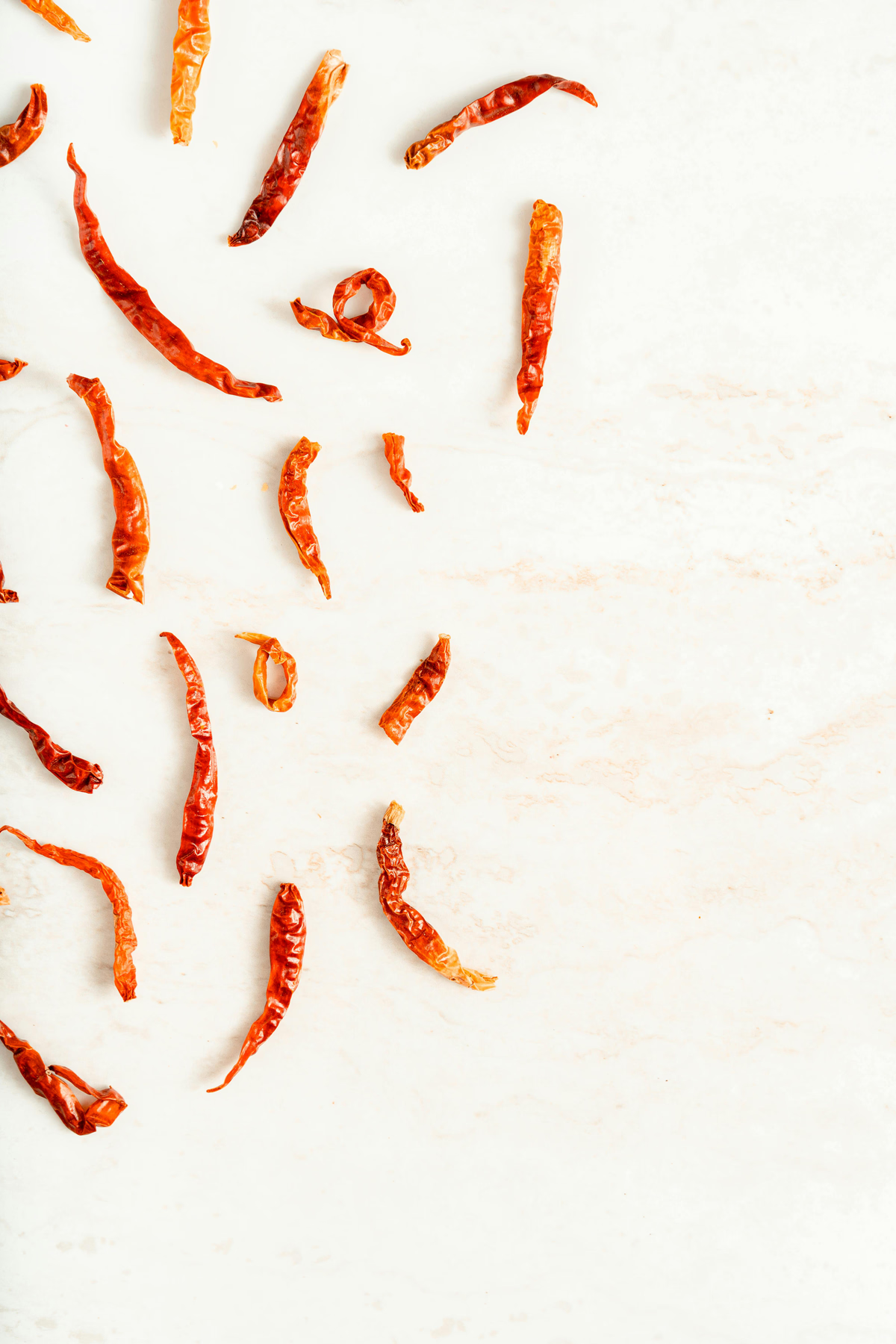
Chili pepper, dried
Serving: 2.00 tsp (5.4g, 15 cal)
Key Nutrients
| Nutrient | Amount | DV% | Rating |
|---|---|---|---|
| vitamin E | 2.06 mg (ATE) | 14% | Excellent |
| vitamin A | 80.05 mcg RAE | 9% | Very Good |
| fiber | 0.08 g | 0% | Very Good |
| vitamin B6 | 0.11 mg | 6% | Very Good |
| vitamin K | 5.71 mcg | 6% | Very Good |
| copper | 0.01 mg | 1% | Very Good |
| iron | 0.06 mg | 0% | Very Good |
| vitamin B3 | 0.63 mg | 4% | Good |
| manganese | 0.01 mg | 0% | Good |
| vitamin B2 | 0.05 mg | 4% | Good |
| potassium | 18.36 mg | 0% | Good |
vitamin E
Excellentvitamin A
Very Goodfiber
Very Goodvitamin B6
Very Goodvitamin K
Very Goodcopper
Very Goodiron
Very Goodvitamin B3
Goodmanganese
Goodvitamin B2
Goodpotassium
GoodAbout Chili pepper, dried
Chili peppers are available throughout the year to add zest to flavorful dishes around the world and health to those brave enough to risk their fiery heat.
This is the plant that puts fire on your tongue and maybe even a tear in your eye when you eat spicy Mexican, simmering Szechuan, smoldering Indian, or torrid Thai food. Chili peppers belong to the family of foods bearing the Latin name Capsicum.
Chili Peppers, hot, dried
2.00 tsp
(5.40 grams)
Calories: 15
GI: very low
NutrientDRI/DV
vitamin E14%
vitamin A9%
fiber7%
vitamin K6%
vitamin B66%
copper6%
iron5%
vitamin B24%
vitamin B34%
manganese4%
- Health Benefits
- Description
- History
- How to Select and Store
- Tips for Preparing and Cooking
- How to Enjoy
- Individual Concerns
- Nutritional Profile
- References
Health benefits
Fight inflammation
Chili peppers contain a substance called capsaicin, which gives peppers their characteristic pungence, producing mild to intense spice when eaten. Capsaicin is a potent inhibitor of substance P, a neuropeptide associated with inflammatory processes. The hotter the chili pepper, the more capsaicin it contains. The hottest varieties include habanero and Scotch bonnet peppers. Jalapenos are next in their heat and capsaicin content, followed by the milder varieties, including Spanish pimentos, and Anaheim and Hungarian cherry peppers.
Capsaicin is being studied for its effects on sensory nerve fiber disorders, including pain associated with arthritis, psoriasis, and diabetic neuropathy. When animals injected with a substance that causes inflammatory arthritis were fed a diet that contained capsaicin, they had delayed onset of arthritis, and also significantly reduced paw inflammation.
Natural pain relief
Topical capsaicin is now a recognized treatment option for osteoarthritis pain. Several review studies of pain management for diabetic neuropathy have listed the benefits of topical capsaicin to alleviate disabling pain associated with this condition.
In a double-blind placebo controlled trial, nearly 200 patients with psoriasis were given topical preparations containing either capsaicin or placebo. Patients who were given capsaicin reported significant improvement based on a severity score which traced symptoms associated with psoriasis. The side effect reported with topical capsaicin cream is a burning sensation at the area of application.
Cardiovascular benefits
Red chili peppers, such as cayenne, have been shown to reduce blood cholesterol, triglyceride levels, and platelet aggregation, while increasing the body’s ability to dissolve fibrin, a substance integral to the formation of blood clots. Cultures where hot pepper is used liberally have a much lower rate of heart attack, stroke and pulmonary embolism.
Chili peppers may also protect circulating blood lipids from oxidative damage, an early step in atherosclerosis development. In a randomized, crossover study involving 27 healthy subjects (14 women, 13 men), eating freshly chopped chili was found to increase the resistance of blood fats, such as cholesterol and triglycerides, to oxidation (free radical injury).
Subjects were randomly divided into 2 groups. For 4 weeks, half the subjects ate a freshly chopped chili blend (30 grams/day, about 1 ounce), consisting of 55% cayenne, while the other half consumed a bland diet (no chili). After 4 weeks, the groups were crossed over for another 4 weeks. During the intervention periods, consumption of other spices such as cinnamon, ginger, garlic, and mustard was restricted. Blood samples were obtained at the beginning of the study and after each dietary period.
After eating the chili-containing diet, the rate of oxidation (free radical damage to cholesterol and triglycerides) was significantly lower in both men and women than that seen after eating the bland diet.
In addition, after eating the chili-spiced diet, women had a longer lag time before any damage to cholesterol was seen compared to the lag time seen after eating the bland diet. In men, the chili-diet also lowered resting heart rate and increased the amount of blood reaching the heart.
Clear congestion
Capsaicin not only reduces pain, but its peppery heat also stimulates secretions that help clear mucus from your stuffed up nose or congested lungs.
Immune-relevant nutrients
The bright color of red chili peppers signals its high content of beta-carotene or pro-vitamin A. Just two teaspoons of red chili peppers provide about 6% of the daily value for vitamin C coupled with more than 10% of the daily value for vitamin A. Vitamin A is essential for maintaining mucous membrane integrity in the nasal passages, lungs, intestinal tract, and urinary tract. These membranes form a physical and immunological barrier against pathogens.
Help stop the spread of prostate cancer
Red chili peppers’ capsaicin, the compound responsible for their pungent heat, stops the spread of prostate cancer cells through a variety of mechanisms, indicates a study published in the March 15, 2006 issue of Cancer Research . Capsaicin triggers suicide in both primary types of prostate cancer cell lines, those whose growth is stimulated by male hormones and those not affected by them. In addition, capsaicin lessens the expression of prostate-specific antigen (PSA), inhibits the ability of the most potent form of testosterone, dihydrotestosterone, to activate PSA, and directly inhibits PSA transcription, causing PSA levels to plummet.
The dose effective for test animals was equivalent to 400 milligrams of capsaicin, three times a week, for a man weighing about 200 pounds. After four weeks of receiving capsaicin, prostate cancer tumor growth and size decreased significantly in the animals. One warning: Excessive intake of hot chilies has been linked to stomach cancer, so don’t go overboard.
Prevent stomach ulcers
Chili peppers have an undeserved reputation for contributing to stomach ulcers. Not only do they not cause ulcers, they can help prevent them by killing bacteria you may have ingested, while stimulating the cells lining the stomach to secrete protective buffering juices.
Lose weight
All that heat after eating hot chili peppers takes energy, and calories, to produce. Even sweet red peppers have been found to contain substances that significantly increase thermogenesis (heat production) and oxygen consumption for more than 20 minutes after they are eaten.
Lower risk of type 2 diabetes
Regular chili pepper consumption may help reduce risk of hyperinsulinemia (high blood levels of insulin), a condition associated with type 2 diabetes.
In a study published in the July 2006 issue of the American Journal of Clinical Nutrition, Australian researchers show that the amount of insulin required to lower blood sugar after a meal is reduced if the meal contains chili pepper. When chili-containing meals are a regular part of the diet, insulin requirements drop even lower.
Plus, chili’s beneficial effects on insulin needs get even better as body mass index (BMI, a measure of obesity) increases. In overweight people, not only do chili-containing meals significantly lower the amount of insulin required to lower blood sugar levels after a meal, but chili-containing meals also result in a lower ratio of C-peptide/ insulin, an indication that the rate at which the liver is clearing insulin has increased.
The amount of C-peptide in the blood also shows how much insulin is being produced by the pancreas. The pancreas produces proinsulin, which splits into insulin and C-peptide when secreted into the bloodstream. Each molecule of proinsulin breaks into one molecule of C-peptide and one molecule of insulin, so less C-peptide means less insulin has been secreted into the bloodstream.
In this study, which involved 36 subjects aged 22-70 years, the effects of three interventions were evaluated. Subjects were given a bland meal after a bland diet containing no spices, a chili-containing meal after a bland diet, and finally, a chili-containing meal after a chili-containing diet. A palatable chili flavoring, not pure capsaicin (the active component in chili), was used.
Blood sugar rose similarly after all three interventions, but insulin rose the most after the bland meal after a bland diet and the least after the chili-containing meal after a chili-rich diet.
The maximum increases in insulin after the bland diet followed by a chili-containing meal were 15% lower than after the bland meal following a bland diet, and 24% lower after the chili-containing meal after a chili-rich diet compared to the chili-containing meal after the bland diet.
C-peptide blood levels also increased the most after the bland meal after a bland diet and the least after the chili-containing meal after a chili-rich diet, showing the least insulin was secreted after the chili-rich diet and meal.
In addition, the C-peptide/insulin ratio was highest after the chili-containing meal after a chili-rich diet, indicating an increase in the liver’s ability to clear insulin.
Besides capsaicin, chilies contain antioxidants, including vitamin C and carotenoids, which might also help improve insulin regulation.
Chili pepper adds heat to omelets, black bean/sweet potato soup, and salad dressings. The insulin-related findings suggest moderate, regular use has metabolic benefits. Population studies in India and Mexico indicate, however, that extremely high chili consumption at every meal may be linked to increased stomach cancer risk.
Description
This is the plant that puts fire on your tongue and maybe even a tear in your eye when you eat spicy Mexican, simmering Szechuan, smoldering Indian, or torrid Thai food. Chili peppers belong to the family of foods bearing the Latin name Capsicum.
There are hundreds of different types of chili peppers that vary in size, shape, color, flavor and “hotness.” This fleshy berry features many seeds inside a potent package that can range from less than one inch to six inches in length, and approximately one-half to one inch in diameter. Chili peppers are usually red or green in color.
Habanero, chipotle, jalapeno, Anaheim, and ancho are just some of the popular varieties of chili peppers available. Another is cayenne, which is well known as a spice in its dried and powdered form, and usually referred to as cayenne or cayenne pepper (even though that term does refer to the whole pepper, regardless of preparation).
Other ground chili peppers are used to make chili powder. Chili peppers are used as a food and seasoning and revered for their medicinal qualities.
History
Chili peppers trace their history to Central and South America, regions whose cuisines are renowned for their hot and spicy flavors. Chili peppers have been cultivated in these regions for more than seven thousand years, first as a decorative item and later as a foodstuff and medicine.
It was not until the 15th and 16th centuries that chili peppers were introduced to the rest of the world. Christopher Columbus encountered them on his explorations of the Caribbean Islands and brought them back to Europe. There, they were used as a substitute for black pepper, which was very expensive since it had to be imported from Asia.
Explorer Ferdinand Magellan is credited with introducing chili peppers into Africa and Asia, continents that have since incorporated them into their cuisines and pharmacopeias. Chili peppers are now grown on all continents, however, China, Turkey, Nigeria, Spain and Mexico are among the largest commercial producers.
How to select and store
Choose fresh chili peppers that have vivid, deep colors and glossy, firm and taut skins. Their stems should seem hardy and fresh. With the exception of jalapenos, peppers should not have any cracks near the stem end. Avoid those that are wrinkled or have soft areas or black spots.
When purchasing dried chili peppers look for ones that are still vivid in color. If they’ve lost their color, they’ve probably lost their flavor as well. Both fresh and dried chili peppers are available throughout the year in most areas.
Even though dried herbs and spices are widely available in supermarkets, explore the local spice stores or ethnic markets in your area. Oftentimes, these stores feature an expansive selection of dried herbs and spices that are of superior quality and freshness than those offered in regular markets. Just like with other dried spices, try to select organically grown dried chili pepper, including cayenne pepper, since this will give you more assurance that it has not been irradiated.
Place unwashed fresh peppers in paper bags or wrap in paper towels and store in the vegetable compartment of the refrigerator, where they should keep for at least one week. Avoid storing peppers in plastic bags as this may result in moisture accumulation, which will cause them to spoil more quickly.
Fresh peppers can also be hung in the sunlight to dry. Once dried, they can be used to make freshly ground chili powder. Dried peppers and chili powders should be kept in a tightly sealed jar, away from sunlight.
Powdered chili pepper, such as cayenne pepper and chili powder, should be kept in a tightly sealed glass jar, away from direct sunlight.
Tips for preparing and cooking
Tips for cooking with chili peppers
Be very careful when you are handling and cooking fresh chili peppers. One of the peppers’ most pungent compounds, capsaicin, can cause a severe burning sensation if it touches your skin or lips, or comes in contact with your eyes.
Because of this, some people prefer to wear thin rubber gloves when working with chili peppers. If you choose not to do this, make sure to thoroughly wash your hands after handling them. The knife and cutting board should also be washed after cutting these peppers.
Capsaicin primarily resides in the seeds and fleshy white inner membranes. If you want to enjoy the pungency of peppers but minimize their heat, you can remove these parts, although capsaicin is responsible for much of chili pepper’s healing properties.
There is a range of “hotness” between pepper varieties and sometimes also within the same varieties. Therefore, each time you cook with them you may need to adjust the amount you use. Before adding chili peppers to a recipe, taste a little piece to determine the spice level, so you will know how much to add.
How to enjoy
Serving ideas
- The next time you make healthy sautéed vegetables, add some chili peppers to turn up the spice volume.
- Add chili peppers to your favorite corn bread recipe to give it an extra spark.
- Add minced chili peppers to yogurt and use as a condiment or dip.
- Add jalapenos to your favorite tuna salad recipe.
- Purée fresh chili peppers together with olive oil, garlic, coriander, peppermint, and caraway. If you would like, add your own favorite herbs and spices to this mixture to make your own version of Harissa, a condiment popular in the some Middle Eastern and North African countries.
- Keep a container of cayenne pepper on the table right next to the pepper mill, so you and your family can add a pinch of extra spice to any of your meals.
- Cayenne pepper and lemon juice make great complements to cooked bitter greens such as collards, kale and mustard greens.
Individual concerns
Capsaicin can irritate or burn your eyes or hands. Chili oil can stick to the skin, so wash hands thoroughly after handling the peppers and be cautious about touching your hands to your eyes. Be aware that pepper dust from grinding dried peppers can irritate throat and eyes. You can protect yourself by wearing a dust mask and goggles.
If you find you can’t take the heat, cool off with a glass of milk. A protein in milk called casein can help douse capsaicin’s fire.
Chili pepper belongs to the nightshade family
Which foods are classified as “nightshades,” and is it true that foods from this group can potentially contain problematic substances?
Nutritional profile
Two tsp (5.4g) at 15 calories provides vitamin E (14% DV). Additional nutrients include vitamin A (9% DV), fiber (7% DV), vitamin B6 (6% DV), vitamin K (6% DV), copper (6% DV), iron (5% DV), vitamin B3 (4% DV), manganese (4% DV), among others.
Chili peppers are available throughout the year to add zest to flavorful dishes around the world and health to those brave enough to risk their fiery heat.
This is the plant that puts fire on your tongue and maybe even a tear in your eye when you eat spicy Mexican, simmering Szechuan, smoldering Indian, or torrid Thai food. Chili peppers belong to the family of foods bearing the Latin name Capsicum.
Chili Peppers, hot, dried
2.00 tsp
(5.40 grams)
Calories: 15
GI: very low
NutrientDRI/DV
vitamin E14%
vitamin A9%
fiber7%
vitamin K6%
vitamin B66%
copper6%
iron5%
vitamin B24%
vitamin B34%
manganese4%
- Health Benefits
- Description
- History
- How to Select and Store
- Tips for Preparing and Cooking
- How to Enjoy
- Individual Concerns
- Nutritional Profile
- References
An important message about chili pepper
Nightshade vegetables (such as chili pepper) are on the “10 Most Controversial WHF List.” Even though chili pepper can contribute meaningfully to a meal plan, nightshade vegetables are not for everyone. They can be difficult to find in high-quality form, are more commonly associated with adverse reactions than many other foods, and can present sustainability challenges in the food supply.
About chile pepper
Like cayenne pepper, red chili peppers are available throughout the year to add zest to flavorful dishes around the world and health to those brave enough to risk their fiery heat.
This is the plant that puts fire on your tongue and maybe even a tear in your eye when you eat spicy Mexican, simmering Szechuan, smoldering Indian, or torrid Thai food. Chili peppers belong to the family of foods bearing the Latin name Capsicum.
Nutrients in
Chili Pepper
2.00 tsp (1.54 grams)
Nutrient%Daily Value
vitamin A8.1%
Calories (5)0%
Freshly ground spices release far more aroma than pre-ground. A heavy granite ChefSofi Granite Mortar and Pestle crushes whole spices quickly and lasts forever.
Recipes with Chili pepper, dried
Full Nutrient Profile
Related Articles
References
- Ahuja KD, Ball MJ. Effects of daily ingestion of chilli on serum lipoprotein oxidation in adult men and women. Br J Nutr. 2006 Aug;96(2):239-42. 2006. PMID:16923216. https://doi.org/10.1079/bjn20061788
- Ahuja KD, Robertson IK, Geraghty DP, Ball MJ. Effects of chili consumption on postprandial glucose, insulin, and energy metabolism. Am J Clin Nutr. 2006 Jul;84(1):63-9. 2006. PMID:16825682. https://doi.org/10.1093/ajcn/84.1.63
- Attal N. Chronic neuropathic pain: mechanisms and treatment. Clin J Pain 2000 Sep;16(3 Suppl):S118-30. 2000. https://doi.org/10.1097/00002508-200009001-00003
- Ellis CN, Berberian B, et al. A double-blind evaluation of topical capsaicin in pruritic psoriasis. J Amer Acad Dermatol 29:438-42 1993. 1993. https://doi.org/10.1016/0190-9622(93)70208-b
- Ensminger AH, Esminger M. K. J. e. al. Food for Health: A Nutrition Encyclopedia. Clovis, California: Pegus Press; 1986. 1986. PMID:15210.
- Joe B, Lokesh BR. Prophyloatcitc and therapeutic effects of n-3 polyunsaturated fatty acids, capsaicin and curcumin on adjuvant induced arthritis in ratsl. Nutr Biochem 1997;8:397-407. 1997.
- Kempaiah RK, Srinivasan K. Integrity of erythrocytes of hypercholesterolemic rats during spices treatment. Mol Cell Biochem 2002 Jul;236(1-2):155-61. 2002. https://doi.org/10.1023/a:1016199000149
- Mori A, Lehmann S, O'Kelly J, Kumagai T, Desmond J, Pervan M, McBride W, Kizaki M, Koeffler HP. Capsaicin, a Component of Red Peppers, Inhibits the Growth of Androgen-Independent, p53 Mutant Prostate Cancer Cells. Cancer Res 2006 Mar 15;66(6):3222-9. 2006. PMID:16540674. https://doi.org/10.1158/0008-5472.CAN-05-0087
- Rains C, Bryson HM. Topical capsaicin. A review of its pharmacological properties and therapeutic potential in post-herpetic neuralgia, diabetic neuropathy and osteoarthritis. Drugs Aging 1995 Oct;7(4):317-28. 1995. https://doi.org/10.1046/j.1365-2125.2000.00200.x
- Robbins W. Clinical applications of capsaicinoids. Clin J Pain 2000 Jun;16(2 Suppl):S86-9. 2000. https://doi.org/10.1097/00002508-200006001-00015
- Schnitzer TJ. Non-NSAID pharmacologic treatment options for the management of chronic pain. Am J Med 1998 Jul 27;105(1B):45S-52S. 1998. https://doi.org/10.1016/s0002-9343(98)00073-4
- Wood, Rebecca. The Whole Foods Encyclopedia. New York, NY: Prentice-Hall Press; 1988. 1988. PMID:15220. https://doi.org/10.1002/food.19770210206