Cheese, grass-fed
Serving: 1.00 oz (28.35g, 114 cal)
Key Nutrients
| Nutrient | Amount | DV% | Rating |
|---|---|---|---|
| phosphorus | 145.15 mg | 21% | Good |
| calcium | 204.4 mg | 20% | Good |
| protein | 7.06 g | 14% | Good |
| vitamin B12 | 0.24 mcg | 10% | Good |
| tryptophan | 0.08 g | 25% | Very Good |
| iodine | 10.09 mcg | 6.7% | Good |
| selenium | 8.02 mcg | 15% | Good |
phosphorus
Goodcalcium
Goodprotein
Goodvitamin B12
Goodtryptophan
Very Goodiodine
Goodselenium
GoodAbout Cheese, grass-fed
What’s new and beneficial about grass-fed cheese
- A Danish cohort study found better blood sugar regulation in participants consuming moderate amounts of cheese (slightly less than one ounce per day). Other fermented dairy foods like yogurt showed similar associations. The researchers attributed part of the effect to the fat-soluble vitamins K and D. Vitamin K, present in most cheeses as menaquinone (produced by starter bacteria during fermentation), and vitamin D (naturally occurring in cow’s milk or added during fortification) both participate in insulin signaling pathways. Calcium may also contribute, since calcium deficiency, particularly combined with low vitamin D, is a recognized risk factor for impaired glucose metabolism.
- One ounce of grass-fed cheese typically contains at least 30 milligrams of conjugated linoleic acid (CLA), a fatty acid linked in studies to improved insulin sensitivity, reduced body fat in some trials, and modulation of inflammatory markers. CLA content rises with the proportion of fresh grasses in the cows’ diet. Year-round pasture access tends to push CLA levels above the 30 mg/oz baseline.
- Grass-fed cheese also delivers higher omega-3 fat levels (at least 100 milligrams per ounce, mostly as alpha-linolenic acid/ALA, plus 5-10 mg of DHA), less palmitic acid (a long-chain saturated fat), and a more favorable omega-6:omega-3 ratio. The average U.S. adult diet has an omega-6:omega-3 ratio of 7:1 or higher. Grass-fed cheese typically provides a ratio of 4:1 at most, with ratios of 3:1, 2:1, and even 1.5:1 documented in pasture-based dairy operations.
- Researchers have begun examining “probiotic cheese,” meaning cheese deliberately inoculated with bacteria that survive in sufficient numbers to colonize the digestive tract after consumption. Standard fermented cheeses typically contain thousands or tens of thousands of colony forming units (CFUs) per gram, far below levels needed to shift gut microbiota. Probiotic cheeses, by contrast, contain one million or more CFUs per gram; some reach billions. In one preliminary study, older adults (average age 86) consuming half an ounce of probiotic cheese daily for 4 weeks showed increased phagocyte activity and higher counts of certain immune cell types.
Cheese, grass fed, cheddar, whole milk
1.00 oz
(28.35 grams)
Calories: 114
GI: low
NutrientDRI/DV
phosphorus21%
calcium20%
protein14%
vitamin B1210%
- Health Benefits
- Description
- History
- How to Select and Store
- Tips for Preparing and Cooking
- How to Enjoy
- Individual Concerns
- Nutritional Profile
- References
Health benefits
Broad-based nutrient support
Cheese made from the whole milk of 100% grass-fed cows contains a wider range of nutrients than the “protein and calcium” reputation suggests. Whole-milk grass-fed cheeses provide measurable amounts of four fat-soluble vitamins (A, D, E, and K), antioxidant minerals (selenium, zinc), beta-carotene, and all B-complex vitamins including B1, B2, B3, B5, B6, B12, choline, and biotin. The fatty acid profile includes omega-3s and CLA at favorable omega-6:omega-3 ratios. Few single foods match this nutrient breadth. Nuts and seeds share many of the fat-related nutrients but lack B12, which concentrates in animal foods. Vegetables provide many of the same antioxidants in greater quantities but rarely contain measurable vitamin D.
Blood sugar balance
While we might think about cow’s milk as a sweet beverage, we don’t usually think about cheese as a sweet food—and for good reason. In 4 ounces of whole cow’s milk, you will typically find 5-6 grams of total sugar, mostly consisting of lactose (“milk sugar”). Yet in 1 ounce of many fermented cheeses, the total sugar level is not even one-sixth of a gram; as such, fermented cheese contains about 30-40 times less lactose than milk. The reason for this smaller amount of lactose involves the nature of the cheese-making process. In order to start the process, bacteria called “lactic acid bacteria” are often added to help increase the acidity of the milk and make it more likely for some of the milk proteins (caseins) to clump together and form “curd.” Lactic acid bacteria are named for their ability to take lactose and convert it lactic acid. Not all cheeses begin the production process through formation of curd with the help of lactic acid bacteria. But when milk is curded in this way, the milk’s lactose content is often greatly diminished.
Cheeses curded with lactic acid bacteria combine this low-sugar characteristic with concentrated protein. Cheese rates as a “good” protein source and appears in most diabetic exchange systems as a meat substitute. Protein digests at a moderate rate, slowing glucose absorption compared to carbohydrate-dominant foods.
Along with these factors, whole-milk grass-fed cheese also contains three nutrients known to help balance blood sugar: vitamin K, vitamin D, and calcium. In a recent study from Denmark involving nearly 6,000 men and women between 30-60 years of age, better regulation of blood sugar levels was associated with moderate intake of cheese (a little less than 1 ounce per day). Consumption of other fermented dairy foods (like yogurt) was also associated with some blood sugar benefits in this study. The presence of calcium, vitamin D, and vitamin K in cheese may have played a special role in these blood sugar benefits since each of these nutrients has been independently linked to improved regulation of blood sugar. Interestingly, due to the use of vitamin K-synthesizing bacteria as a way to initiate the cheese fermentation process, vitamin K is present in most cheeses in the form of menaquinone. Vitamin D is present in cheese as a naturally occurring nutrient in cow’s milk and sometimes as a vitamin added during milk fortification.
Other health benefits
In large-scale human studies, the relationship between dairy foods (including cheese) and bone disease, cardiovascular disease, and cancer remains inconsistent. Some studies show decreased risk with dairy and cheese intake; others show increased risk; still others show no change. No large-scale human studies have examined these outcomes specifically for cheese made from the whole milk of 100% grass-fed cows.
At least part of these conflicting results may be related to the relatively high total fat, saturated fat, and calorie content of whole milk and whole milk products, coupled with the tendency of many people to consume them in large quantities. To help illustrate this point, let’s consider the 1 ounce of whole-milk grass-fed cheddar cheese that we profile on our website. This serving of cheese contains 114 calories, 9.4 grams of total fat, and 6.0 grams of saturated fat. On a percentage basis, it’s 74% fat and 47% saturated fat in terms of its nutrient composition. If our entire daily diet — including all foods eaten throughout the day — contained this percent total fat and this percent saturated fat, our risk of many chronic diseases would go up dramatically. But if we take steps to balance our diet while including a higher fat and higher saturated fat food like whole-milk grass-fed cheese, we can stay within public health guidelines and most likely lower our risk of many chronic diseases.
Health benefits from cheese might show more consistent results in studies if the cheese were of optimal quality (100% grass-fed, organic) and incorporated into an otherwise balanced diet. On an 1,800 calorie meal plan, the 6.0 grams of saturated fat in 1 ounce of whole-milk grass-fed cheese represent less than 3% of total calories. The American Heart Association (AHA) generally recommends no more than 7% of total calories from saturated fat, so one ounce fits comfortably within this limit. Three ounces, however, could push saturated fat above the 7% threshold. Balancing the overall diet, particularly with respect to total fat and saturated fat, is the key variable.
Description
Cheese making has been practiced in many cultures throughout the world for at least 8,000 years. It probably began as a way to extend the life of fresh milk while preserving its nutrients. “Milk” used in the making of cheese has not always been synonymous with cow’s milk, however. In many cultures, milk used to make cheese has come from other animals, including buffalo, bison, goats, sheep, camels, yaks, horses, and reindeer.
Commercially available cheeses in the U.S. are typically made from cow’s milk and can generally be divided into two types: (1) “fresh” cheeses that have not been fermented, are typically very soft in texture, and have a short shelf life, and (2) “ripened” cheeses that have been fermented and aged for a period of weeks, months, or longer and which have a firmer texture and a longer shelf life.
Soft, unripened cheeses include cottage cheese, ricotta, water-packed “fresh” mozzarella, queso fresco, and fromage blanc. Instead of being fermented with the help of bacteria, these unripened cheeses are made by adding either an acidic substance (for example, vinegar, lemon juice or citric acid) or the enzyme rennet to the milk, or in some cases both. Acidic substances and rennet will cause the casein proteins in milk to coagulate and form “curds.” (Rennet has the advantage of producing a stronger and more gel-like consistency in the curds.) Once the watery “whey” portion of the milk is drained off, only the curds are left and those curds are what we call “unripened” cheese. Unless a cheese has been aged for 60 days or longer, it must be made from pasteurized milk if sold in the U.S. and this rule applies to all of the unripened cheeses listed above.
Ripened cheeses are cheeses that not only undergo the curding process described above but also a fermentation process in which bacteria and other micro-organisms are added to the cheese and given time to develop new textures, flavors, and aromas. While ripened cheeses might initially be curded in the same way as unripened cheeses—namely, through addition of acid substances like lemon juice, vinegar, or citric acid to cause the formation of curds—many are not curded in this way. Instead, they are curded with the help of “starter bacteria.” To accomplish curding in this way, lactic acid bacteria (LAB) are added to the milk. LAB will consume the lactose (milk sugar) present in the milk and convert it into lactic acid. Like vinegar and lemon juice, the lactic acid produced by LAB is an acidic substance that will cause the milk to curd. LAB commonly used to start acid coagulation process include Lactococcus lactis, Streptococcus thermophiles, Lactobacillus helveticus, and Lactobacillus delbreuckii. For persons who are lactose intolerant and experience an adverse reaction to dairy products because of their lactose content, the use of starter bacteria to begin the cheese making process can be a plus since these bacteria can convert much of the lactose in milk to lactic acid. In 4 ounces of whole cow’s milk, you’ll typically get 5-6 grams of total sugar, mostly consisting of lactose. In 1 ounce of whole milk cheese that has been curded with the help of starter bacteria, you’ll get one-thirtieth, one-fortieth, or even one-fiftieth this amount. This greatly reduced amount of lactose is sometimes low enough to be tolerated even by individuals who are lactose intolerant.
In order to complete the process of producing a ripened cheese, the first round of “starter bacteria” used to produce lactic acid and trigger formation of the curd is followed by a second round of “ripening bacteria” whose job is to ferment the curd and develop the unique textures, flavors, and aromas found in ripened cheeses. During the ripening stage, yeasts and molds may be added along with bacteria to develop the unique cheese characteristics. Ripening of cheese may take weeks, months, or years, depending on the goals of the cheesemaker and the preferences of the consumer. Some ripened mozzarella cheeses may have only been ripened for a few weeks while some grocery store cheddars may have been aged for over ten years. Below is a chart showing some of the microorganisms used during the starter or ripening stage for some well-known ripened cheeses.
Cheese type
Example of microorganisms used for ripening
Total ripening time
Blue
Penicillium roquefortii (mold)
2-6 months
Brie
Penicillium camemberti (mold)
4-8 weeks
Cheddar
Lactobacillus paracasei, Lactobacillus casei, Lactobacillus plantarum (bacteria)
4 weeks to 10 years depending on type
Feta
Lactobacillus brevis, Lactobacillus plantarum, Lactobacillus fermentum, Lactobacillus coryniformis (bacteria); Kluyveromyces, Pichia, Candida (yeasts)
4-6 weeks, and sometimes longer
Gruyere
Candida, Debaryomyces, Kluyveromyces (yeasts)
5 months to 2 years
Parmesan
Lactobacillus helveticus, Lactobacillus delbreuckii (bacteria)
9-24 months
Swiss
Propionibacterium freudenreichii, Propionibacterium jensenii, Propionibacterium thoenii, Propionibacterium acidiproionici (bacteria)
3-9 months
Ripened cheeses are sometimes classified by geography. “American” cheeses typically include cheddar, colby, jack, colby jack, monterey, and monterey jack. Italian cheeses include mozzarella, Parmesan, provolone, and Asiago. For Hispanic cheeses the list includes queso blanco, queso fresco, cotija, and panela. However, consumers across the world enjoy many of the cheeses regardless of location, and most cheese types are produced in cheese-producing countries.
”Probiotic” cheeses
Increasingly popular in the U.S. marketplace are “probiotic” cheeses that contain greater amounts of “friendly” bacteria than other cheeses. Virtually all fermented cheeses contain living bacteria. But the number of living bacteria in any given cheese may be relatively small. Bacteria in cheese are usually measured in what are called “colony forming units” or CFUs. A fermented cheese may typically contain 10,000’s of CFUs per gram or perhaps 1,000’s of CFU’s per gram. By contrast, a probiotic cheese that has been deliberately inoculated with friendly bacteria (that will be able to survive in large numbers in our digestive tract after the cheese is consumed) may contain millions or even billions of CFUs. (An informal and voluntary industry standard for a probiotic cheese is one million CFUs per gram of cheese.) In one preliminary study of older individuals (with an average age of 86 years) consuming one-half ounce of probiotic cheese every day for 4 weeks, researchers were able to detect immune system benefits, including increased activity of immune cells and increased numbers of some immune cell types (particularly phagocytes).
Non-dairy cheeses
After experiencing an adverse reaction to cheese, many consumers have looked for cheese substitutes not made from cow’s milk. Many companies now produce non-dairy cheeses, including soy cheeses, rice cheeses, and almond cheeses. These non-dairy cheeses are sometimes referred to as “vegan” cheeses since their baseline ingredients often come from legumes, nuts, or grains rather than animal milk. As a general rule, however, we recommend a note of caution when choosing non-dairy cheeses as a regular part of your meal plan. Some “non-dairy” cheeses actually add casein proteins into the cheese, and it is common to find vegetable oils, vegetable flours, and added flavorings in these cheeses. For all of the above reasons, we would describe many non-dairy cheeses as being more highly processed than traditionally fermented cheeses. And because most non-dairy cheeses are not made through a fermentation process, it is often difficult for them to take on the unique textures, flavors, and aromas of fermented cheese. If you can find vegan cheeses that have been fermented and aged in the same way as animal milk cheeses, they are almost always your best option in this area of non-dairy cheeses.
One added note on “non-dairy” cheeses: some people make a distinction between cow’s milk and the milks of other animals when using the word “dairy.” In other words, they refer to cow’s milk cheese as a “dairy” product, but they refer to goat milk cheese or sheep milk cheese as “non-dairy.” Regardless of the term used, however, cow’s milk, goat’s milk, and sheep’s milk have some important commonalities in terms of their chemical composition and also some important differences. Because there is no simple rule about the composition of milks from different animals, there is also no simple way to predict how a person will react to cheeses made from different types of animal milks. For example one people may do better on goat’s milk cheese than cow’s milk cheese, but another person may not. If you are actively trying to figure out a way to include non-cow’s milk cheeses in your regular meal plan, you may want to seek the help of a healthcare practitioner to help you determine your best steps in this area.
History
As described earlier, cheese making has been practiced in many cultures throughout the world for at least 8,000 years. The popularity of animal milk made it natural for people to try and preserve the “shelf life” of fresh milk along with its valuable nutrients. From a historical perspective, the milk used to make cheese did not come mainly from cows. Many different animals were valued for their milk, including buffalo, bison, goats, sheep, camels, yaks, horses, and reindeer. Early on in human history, cheese was made from the milk of all of these animals.
In 2012, 912 million pounds of cheese were produced in the U.S., with Italian cheeses (e.g., mozzarella, Parmesan, provolone, ricotta and Romano) and American cheeses (e.g., cheddar, Colby, Monterey, jack) each accounting for about 40% of the total. The remaining 20% included cream cheese, Nufchatel, Swiss, and Hispanic cheeses.
While you might expect production and consumption of cheese in the U.S. to follow closely after production and consumption of milk, these two dairy products have undergone a very different trend in the U.S. marketplace. Over the past 40 years, U.S. milk production has increased by about 50%, although consumption of milk as a beverage in liquid form has decreased by about 30%. By contrast, consumption of cheese in the U.S. has nearly doubled from an annual per capita rate of about 17 pounds in 1980 to nearly 34 pounds in 2012. Some of cheese’s increasing popularity involves increasing availability of ethnic cuisines that include unique cheese varieties long-valued in cultural traditions.
With over 2.5 billion pounds of cheese produced in 2011, Wisconsin led the U.S. states in terms of cheese production. California was the country’s second largest cheese producer at 2.25 billion pounds. Cheddar and mozzarella accounted for about two-thirds of all cheese produced.
How to select and store
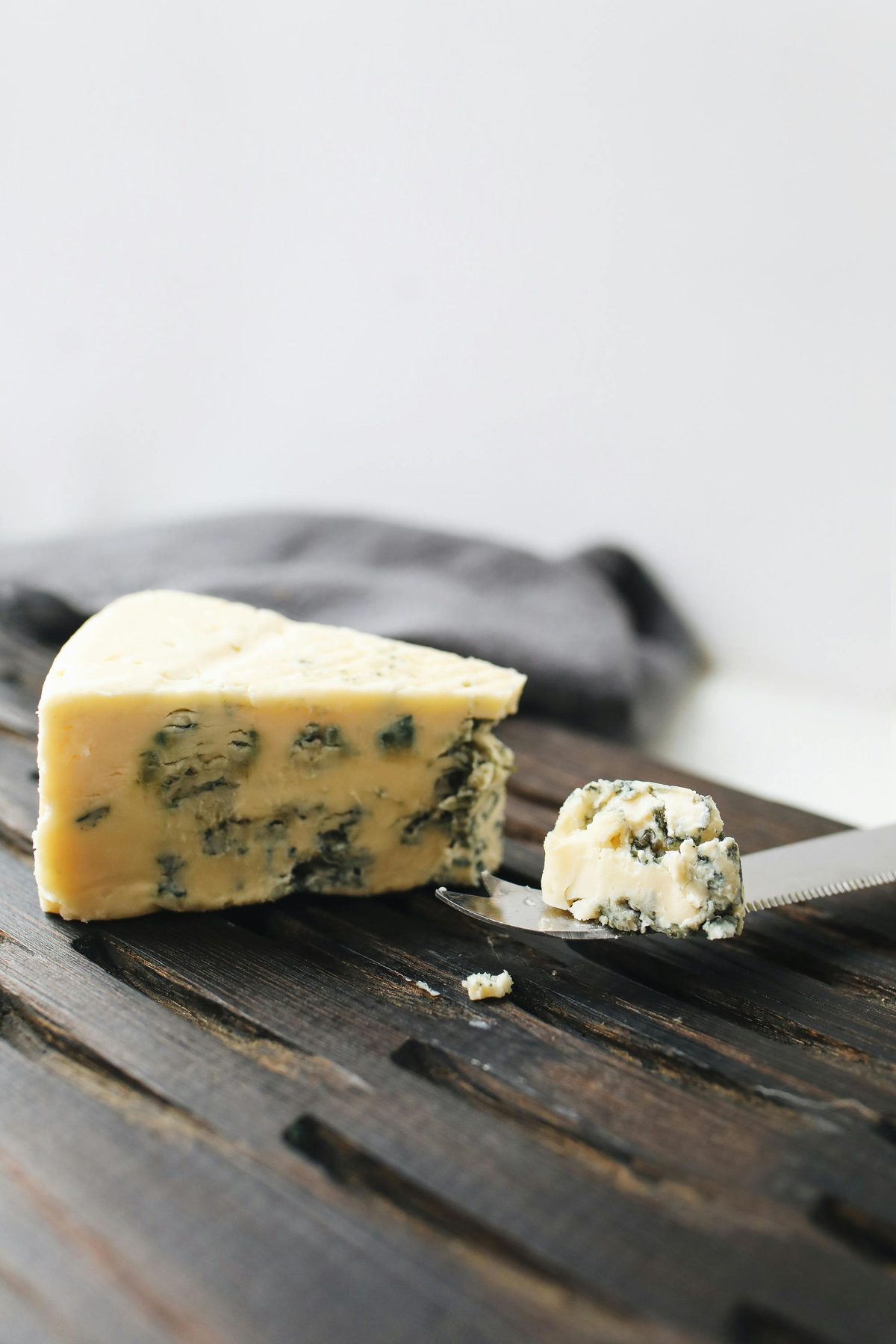
There are different purchase qualities to look for depending upon the cheese type. Soft cheeses should be uniform in color throughout, and the cheese should fill out the crust casing, which itself should be free from cracks and not too dry. Semi-firm cheese should not be too crumbly or dry with the color being relatively uniform. Hard cheeses should be uniform in color and have a firm, uncracked rind that is not too dry or pasty. Bleu cheeses should be not too dry nor too crumbly, and should feature veining that is evenly distributed.
If your market has a cheese department, speak with the person who specializes in cheese. She or he can help you choose the best quality cheese as well as introduce you to different cheeses that you may not have yet tried, which can help you to expand your repertoire and more greatly appreciate this wonderful food.
All cheeses, regardless of variety, should be well wrapped and kept in the warmest section of the refrigerator. (The refrigerator door is often one of the warmest spots). As storage life is related to the moisture content of the cheese, the softer the cheese, the shorter amount of time it will keep fresh. In general, firm and semi-firm cheeses will keep for two weeks while soft and grated cheeses will keep for about one week.
Tips for preparing and cooking
If your recipe calls for grated cheese, use cheese that has a firm texture since it is the only kind suitable for grating. It will be easier to grate if it is cold, right out of the refrigerator, rather than if it has been at room temperature for a while. For all other purposes, as the flavor of cheese is more intense when it is a bit warmer, remove it from the refrigerator at least thirty minutes before using.
How to enjoy
Serving ideas
When considering any of the serving ideas below, please continue to select grass-fed versions of all cheeses whenever possible.
- Combine feta cheese with chilled cooked lentils, minced red onion and diced green pepper for a delicious cold salad.
- Enjoy a classic Italian salad: sliced onions, tomatoes and mozzarella cheese drizzled with olive oil.
- Freshly grated cheese makes a nice addition to most any green salad.
- For a quick, healthy “pizza,” sprinkle mozzarella cheese on a whole wheat pita, top with tomato sauce and your favorite vegetables and cook briefly in toaster oven, just until the cheese melts.
- Combine sliced fennel and orange pieces and top with grated Parmesan cheese for a refreshing salad.
- Small amounts of cheese makes a delightful pairing with fruits such as apples, pears and melons. Serve as appetizer or dessert.
For recipe ideas, see Recipes.
Individual concerns
Cheese is a complicated food in terms of potential adverse reactions. The following information may be helpful for anyone who wants to include cheese in a meal plan but is concerned about individual tolerance.
Cheese and adverse reactions
Milk and the foods made from it, including cheese, are among the eight food types considered to be major food allergens in the U.S., requiring identification on food labels. Some people also have an intolerance to cheese owing to the lactose sugar that it contains. For helpful information about this topic, please see our article, An Overview of Adverse Food Reactions.
Cheese and amines
In general, the longer a cheese is aged, the more digestible it becomes. The reason is straightforward: living bacteria and other microorganisms progressively break down the fats and proteins over time. It wouldn’t be wrong to described highly aged cheeses as “pre-digested,” in the sense of having many of their proteins and fats already broken down before the cheese is consumed as a food.
While generally more digestible and less likely to cause an adverse reaction for this very reason, aged cheeses are problematic for some individuals who experience adverse reactions to protein-related substances called “amines.” One of the changes that can happen during cheese aging is conversion of protein building blocks—called amino acids—into amines. Many bacteria are able to trigger this conversion process. These bacteria can take an amino acid like tyrosine and convert it into the amine called “tyramine.” Similarly, they can take the amino acid tryptophan and convert it into the amine called “tryptamine.” And they can take the amino acid histidine and convert it into the amine called “histamine.” Tyramine, tryptamine, and histamine are examples of molecules sometimes referred to as “bioactive amines.” This term is used to indicate the ability of tyramine, tryptamine, and histamine to influence nervous system and brain metabolism in susceptible persons. A migraine headache is a prominent example of the unwanted effect that dietary amines can sometimes have on a person who is sensitive to their presence in food. If you already know that you are sensitive to amines in food, you may want to avoid all cheeses in your meal plan. If you experience adverse reactions to cheese, do not know why, but still want to include cheese in your meal plan if possible, you will probably need the help of a healthcare practitioner to figure out whether amines in fermented cheeses are an issue, or whether you are experience adverse reactions for other reasons.
Rennet
As described earlier, rennet is an enzyme often used to help trigger coagulation of casein proteins in milk and the formation of cheese curds. Researchers have actually pinpointed the exact role of rennet in this process. There are typically four basic types of casein proteins found in cow’s milk, and they are often found floating around throughout the milk in small clusters called micelles. One specific type, kappa casein, is found on the surface of these clusters.
Kappa casein has a small hair-like projection that sticks out into the watery fluid portion of the milk and attracts water. This characteristic of the kappa casein allows the casein clusters to stay dispersed throughout the milk. The rennet enzyme, when added to milk, works to cut the kappa caseins hairs in such a way that the casein clusters begin to repel water rather than attracting it. Once the clusters begin repelling the water, they naturally start clumping together and forming “curd.” By altering the kappa casein molecules, rennet is able to trigger a more gel-like formation of curd that is also relatively sturdy. For these reasons, cheese makers often prefer to include some rennet when beginning the curding process.
In order to help them digest their mother’s milk, calves naturally produce rennet in their stomachs. In the cheese-making industry, rennet has often been obtained from the stomachs of young calves slaughtered for production of veal, usually between 16-18 weeks of age. For ethical reasons, some individuals seek to avoid cheeses produced with the use of rennet from slaughtered calves. These individuals draw a distinction between the obtaining of milk from animals in a non-harmful way and the making of cheese from this milk, versus the harm done to animals to obtain an enzyme for the cheese-making process. In the U.S. marketplace, more and more cheeses are becoming available which feature alterntatives to calf-based rennet. Some of these cheeses are produced with plant-based rennet. Examples of plants that can serve as a source for rennet include nettle, thistle, safflower, and fig (leaf or bark). Bacterially derived rennet is also used in the production of some cheeses as an alternative to calf rennet. We’ve also seen cheeses made with genetically modified rennet, but these cheeses would be prohibited from sale as organic since certified organic foods cannot contain genetically modified components, and we do not recommend cheeses made in this way. Look for the terms “rennet free” or “vegetarian rennet” on the label of your cheese if you are seeing to avoid calf-based rennet.
Other controversies
Some animal foods and some plants foods have been the subject of ongoing controversy that extends well beyond the scope of food, nutrient-richness, and personal health. This controversy often involves environmental issues, or issues related to the natural lifestyle of animals or to the native habitat for plants. Cheese has been a topic of ongoing controversy in this regard. Our Controversial Foods Q & A will provide you with more detailed information about these issues.
Nutritional profile
One oz (28.35g) at 114 calories provides tryptophan (25% DV), phosphorus (21% DV), calcium (20% DV), protein (14% DV), vitamin B12 (10% DV). Smaller but measurable amounts of iodine (6.7% DV), selenium (5.8% DV) round out the profile. Grass-fed cheese provides you with a significant amount of omega-3 fatty acids, conjugated linoleic acid (CLA), and a very healthy ratio of omega-6:omega-3 fatty acids. It also provides you with a greater amount of vitamin E than non grass-fed cheese.
An important message about grass-fed cheese
Grass-fed cheese is on the 10 Most Controversial WHF list. The controversy is not about the grass-fed aspect; it is the food itself. This applies regardless of form: grass-fed, non grass-fed, organic, non-organic, or reduced fat. Grass-fed cheese is not a mandatory food in any meal plan. However, some people do well when including it.
Grass feeding is a practice not yet familiar to all consumers. To clarify this for you, 100% grass-fed cheese comes from cows that have grazed in pasture year-round rather than being fed a processed diet for much of their life. Grass feeding improves the quality of the cheese and makes the cheese richer in omega-3 fats, vitamin E, and CLA (a beneficial fatty acid named “conjugated linoleic acid”). (For more detailed information about grass feeding, please click here.)
Just how important is grass feeding for cheese? The chart below places grass feeding at the top of the recommendation list for those who plan to include cheese in their meal plan.
WHF Rating
Cheese Labeling
Best Choice
100% grass-fed with certification by the AGA, AFA, or USDA as well as certified organic displaying the USDA organic logo or state/regional organic certification
Good Choice
100% grass-fed with certification by the AGA, AFA, or USDA
Acceptable Choice
Certified organic displaying the USDA organic logo or state/regional organic certification
Acceptable Choice
Uncertified grass-fed displaying “No Hormones” and “No Antibiotics” on the label
Avoid
All other types of cheese, unless purchased from a vendor you know personally and trust
At serving sizes of 1 ounce or less, whole milk is the preferred form for grass-fed cheese. Whole milk is the least processed form (making it a whole, natural food), and it provides the highest omega-3 and CLA content when fermented and ripened into cheese.
Traditionally, health organizations have recommended reduced-fat cheeses (2%, skim, or nonfat milk) rather than whole-milk versions. This approach makes sense for individuals whose daily meal plan cannot accommodate the total fat, saturated fat, and calorie load of whole-milk cheese. However, a single 1-ounce serving of grass-fed whole-milk cheese can fit within standard dietary guidelines for fat and calorie intake in most balanced meal plans.
A Microplane Premium Classic Zester lets you add bright citrus zest to dishes without the bitter pith — one of the easiest ways to boost flavor.
Recipes with Cheese, grass-fed
Full Nutrient Profile
Related Articles
- 10 Most Controversial WHFoods
- Are Organic Beef and Dairy Products Free of Hormones and Antibiotics?
- Can you tell me about oxalates, including the foods that contain them and how are they related to nutrition and health?
- Can you tell me more about pasteurization?
- Do I need to eat dairy products in order to prevent osteoporosis?
- Grass Feeding 101
- How can I get more lycopene in my diet?
- How can I make my own yogurt at home?
- How Does Seafood Compare With Dairy/Eggs as a "Protein Booster" on a Vegetarian Diet?
- How much of a problem is protein in a vegetarian diet?
- How to prepare great tasting vegetables with Nutrient-Rich Cooking
- I think I am allergic to dairy products. How can I find out for sure?
- I think I am allergic to wheat. How can I find out for sure?
- Is Vitamin B12 Really a Problem in a Vegetarian Diet?
- Radiation Protection and Diet
- Resveratrol: the special compound found in grapes
- What are the typical pH levels and phosphorus content in cheese?
- What Do You Think About a Mostly Vegetarian-Plus-Dairy/Eggs Meal Plan?
- What does it mean when a food is referred to as a "nightshade" and should I be concerned about eating these types of foods?
- What's New in 2013
- WHFoods Approach To Controversial Foods
- Which foods are classified as "nightshades," and why are adverse reactions sometimes associated with these foods?
- Why are sea vegetables so important to a healthy diet?
- World's Healthiest Foods Menu
References
- Alessandri C, Sforza S, Palazzo P, et al. Tolerability of a fully maturated cheese in cow's milk allergic children: biochemical, immunochemical, and clinical aspects. PLoS One. 2012;7(7):e40945. doi: 10.1371/journal.pone.0040945. Epub 2012 Jul 19. https://doi.org/10.1371/journal.pone.0040945
- Beresford TP, Fitzsimons NA, Brennan NL, et al. Recent advances in cheese microbiology. Int Dairy J 11 (2001): 259-274. https://doi.org/10.1016/s0958-6946(01)00056-5
- Bovolenta S, Corazzin M, Sacca E, et al. Performance and cheese quality of Brown cows grazing on mountain pasture fed two different levels of supplementation. Livestock Science, Volume 124, Issues 1-3, September 2009, Pages 58-65. https://doi.org/10.1016/j.livsci.2008.12.009
- Coakley M, Barrett E, Murphy JJ, et al. Cheese Manufacture with Milk with Elevated Conjugated Linoleic Acid Levels Caused by Dietary Manipulation. Journal of Dairy Science, Volume 90, Issue 6, June 2007, Pages 2919-2927. https://doi.org/10.3168/jds.2006-584
- Coppa M, Verdier-Metz I, Ferlay A, et al. Effect of different grazing systems on upland pastures compared with hay diet on cheese sensory properties evaluated at different ripening times. International Dairy Journal, Volume 21, Issue 10, October 2011, Pages 815-822. https://doi.org/10.1016/j.idairyj.2011.04.006
- Davis C, Blayney D, Dong D, et al. Long-Term Growth in U.S. Cheese Consumption May Slow. Economic Research Service, U.S. Department of Agriculture. Outlook No. (LDPM-193-01) 19 pp, August 2010. https://doi.org/10.1007/978-1-4757-3161-3_2
- Ebo DG, Ingelbrecht S, Bridts CH, et al. Allergy for cheese: evidence for an IgE-mediated reaction from the natural dye annatto. Allergy. 2009 Oct;64(10):1558-60. doi: 10.1111/j.1398-9995.2009.02102. https://doi.org/10.1111/j.1398-9995.2009.02102.x
- Fumeron F, Lamri A, Khalil CA, et al. Dairy Consumption and the Incidence of Hyperglycemia and the Metabolic Syndrome: Results from a French prospective study, Data from the Epidemiological Study on the Insulin Resistance Syndrome (DESIR). Diabetes Care. 2011 April; 34(4): 813-817. Published online 2011 March 21. doi: 10.2337/dc10-1772. https://doi.org/10.2337/dc10-1772
- Galina MA, Osnaya F, Cuchillo HM, et al. Cheese quality from milk of grazing or indoor fed Zebu cows and Alpine crossbred goats. Small Ruminant Research, Volume 71, Issues 1-3, August 2007, Pages 264-272. https://doi.org/10.1016/j.smallrumres.2006.07.011
- Ganesan B, Irish DA, Brothersen C, et al. Evaluation of microbial survival post-incidence on fresh Mozzarella cheese. J Dairy Sci. 2012 Dec;95(12):6891-6. doi: 10.3168/jds.2012-5390. Epub 2012 Oct 11. https://doi.org/10.3168/jds.2012-5390
- Ibrahim F, Ruvio S, Granlund L, et al. Probiotics and immunosenescence: cheese as a carrier. FEMS Immunol Med Microbiol. 2010 Jun 1;59(1):53-9. doi: 10.1111/j.1574-695X.2010.00658.x. Epub 2010 Feb 11. https://doi.org/10.1111/j.1574-695X.2010.00658.x
- Karimi R, Mortazavian AM, and Amiri-Rigi A. Selective enumeration of probiotic microorganisms in cheese. Food Microbiol. 2012 Feb;29(1):1-9. doi: 10.1016/j.fm.2011.08.008. Epub 2011 Aug 18. Review. https://doi.org/10.1016/j.fm.2011.08.008
- Lahtinen SJ, Forssten S, Aakko J, et al. Probiotic cheese containing Lactobacillus rhamnosus HN001 and Lactobacillus acidophilus NCFM (TM) modifies subpopulations of fecal lactobacilli and Clostridium difficile in the elderly. Age (Dordr). 2012 Feb;34(1):133-43. doi: 10.1007/s11357-011-9208-6. Epub 2011 Jan 25. https://doi.org/10.1007/s11357-011-9208-6
- Leto G, Todaro M, Ni Noto AM, et al. Comparison of Sulla-hay and Sulla-silage in the lactating ewes and their effects on milk and cheese characteristics. Small Ruminant Research, Volume 45, Issue 3, September 2002, Pages 301-306. https://doi.org/10.1016/s0921-4488(02)00158-x
- Lollo PC, Cruz AG, Morato PN, et al. Probiotic cheese attenuates exercise-induced immune suppression in Wistar rats. J Dairy Sci. 2012 Jul;95(7):3549-58. doi: 10.3168/jds.2011-5124. https://doi.org/10.3168/jds.2011-5124
- Pizzano R, Nicolai MA, Manzo C et al. Human IgE binding to the glycosidic moiety of bovine kappa-casein. J Agric Food Chem. 2005 Oct 5;53(20):7971-5. https://doi.org/10.1093/glycob/cwt162
- Ranganathan R, Niklas TA, Yang SJ, et al. The Nutritional Impact of Dairy Product Consumption on Dietary Intakes of Adults (1995-1996): The Bogalusa Heart Study. Journal of the American Dietetic Association, Volume 105, Issue 9, September 2005, Pages 1391-1400. https://doi.org/10.1016/j.jada.2005.06.024
- Rice BH, Cifelli CJ, Pilosky MA, et al. Dairy Components and Risk Factors for Cardiometabolic Syndrome: Recent Evidence and Opportunities for Future Research. Adv Nutr. 2011 September; 2(5): 396-407. Published online 2011 September 6. doi: 10.3945/an.111.000646. https://doi.org/10.3945/an.111.000646
- Sofi F, Buccioni A, Cesari F, at el. Effects of a dairy product (pecorino cheese) naturally rich in cis-9, trans-11 conjugated linoleic acid on lipid, inflammatory and haemorheological variables: A dietary intervention study Original Research Article
- Nutrition, Metabolism and Cardiovascular Diseases, Volume 20, Issue 2, February 2010, Pages 117-124.
- Songisepp E, Hutt P, Ratsep M, et al. Safety of a probiotic cheese containing Lactobacillus plantarum Tensia according to a variety of health indices in different age groups. J Dairy Sci. 2012 Oct;95(10):5495-509. doi: 10.3168/jds.2011-4756. Epub 2012 Aug 3. https://doi.org/10.3168/jds.2011-4756
- Stancliffe RA, Thorpe T, and Zemel MB. Dairy attentuates oxidative and inflammatory stress in metabolic syndrome. Am J Clin Nutr. 2011 August; 94(2): 422-430. Published online 2011 June 29. doi: 10.3945/ajcn.111.013342. https://doi.org/10.3945/ajcn.111.013342
- Struikk EA, Heraclides A, Witte DR, et al. Dairy product intake in relation to glucose regulation indices and risk of type 2 diabetes. Nutrition, Metabolism and Cardiovascular Diseases, In Press, Corrected Proof, Available online 23 July 2012. https://doi.org/10.1016/j.numecd.2012.05.011
- Vinas M, Carnes H, Lopez-Matas MA, et al. Allergy to goat and sheep cheese with tolerance to cow's milk and its derivatives. Allergol Immunopathol (Madr). 2012 Dec 17. doi:pii: S0301-0546(12)00280-7. 10.1016/j.aller.2012.08.002. [Epub ahead of print]. https://doi.org/10.1016/j.aller.2012.08.002
- Bovolenta S, Corazzin M, Sacca E, et al. Performance and cheese quality of Brown cows grazing on mountain pasture fed two different levels of supplementation. Livestock Science, Volume 124, Issues 1–3, September 2009, Pages 58-65. https://doi.org/10.1016/j.livsci.2008.12.009
- Fumeron F, Lamri A, Khalil CA, et al. Dairy Consumption and the Incidence of Hyperglycemia and the Metabolic Syndrome: Results from a French prospective study, Data from the Epidemiological Study on the Insulin Resistance Syndrome (DESIR). Diabetes Care. 2011 April; 34(4): 813–817. Published online 2011 March 21. doi: 10.2337/dc10-1772. https://doi.org/10.2337/dc10-1772
- Ranganathan R, Niklas TA, Yang SJ, et al. The Nutritional Impact of Dairy Product Consumption on Dietary Intakes of Adults (1995–1996): The Bogalusa Heart Study. Journal of the American Dietetic Association, Volume 105, Issue 9, September 2005, Pages 1391-1400. https://doi.org/10.1016/j.jada.2005.06.024
- Rice BH, Cifelli CJ, Pilosky MA, et al. Dairy Components and Risk Factors for Cardiometabolic Syndrome: Recent Evidence and Opportunities for Future Research. Adv Nutr. 2011 September; 2(5): 396–407. Published online 2011 September 6. doi: 10.3945/an.111.000646. https://doi.org/10.3945/an.111.000646
- Stancliffe RA, Thorpe T, and Zemel MB. Dairy attentuates oxidative and inflammatory stress in metabolic syndrome. Am J Clin Nutr. 2011 August; 94(2): 422–430. Published online 2011 June 29. doi: 10.3945/ajcn.111.013342. https://doi.org/10.3945/ajcn.111.013342
- Cheng S, Lyytikainen A, Kroger H, Lamberg-Allardt C, Alen M, Koistinen A, Wang QJ, Suuriniemi M, Suominen H, Mahonen A, Nicholson PH, Ivaska KK, Korpela R, Ohlsson C, Vaananen KH, Tylavsky F. Effects of calcium, dairy product, and vitamin D supplementation on bone mass accrual and body composition in 10-12-y-old girls: a 2-y randomized trial. Am J Clin Nutr. 2005 Nov;82(5):1115-26. 2005. PMID:16280447. https://doi.org/10.1093/ajcn/82.5.1115
- Choi HK, Atkinson K, Karlson EW, Willett W, Curhan G. Purine-rich foods, dairy and protein intake, and the risk of gout in men. N Engl J Med. 2004 Mar 11;350(11):1093-103. 2004. PMID:15014182. https://doi.org/10.1056/NEJMoa035700
- Elwood PC, Pickering JE, Fehily AM. Milk and dairy consumption, diabetes and the metabolic syndrome: the Caerphilly prospective study. J Epidemiol Community Health. 2007 Aug;61(8):695-8. 2007. PMID:17630368. https://doi.org/10.1136/jech.2006.053157
- Ensminger AH, Ensminger, ME, Kondale JE, Robson JRK. Foods & Nutriton Encyclopedia. Pegus Press, Clovis, California 1983.
- Ensminger AH, Esminger M. K. J. e. al. Food for Health: A Nutrition Encyclopedia. Clovis, California: Pegus Press; 1986 1986. PMID:15210.
- Fortin, Francois, Editorial Director. The Visual Foods Encyclopedia. Macmillan, New York 1996.
- Gunther CW, Lyle RM, Legowski PA, James JM, McCabe LD, McCabe GP, Peacock M, Teegarden D. Fat oxidation and its relation to serum parathyroid hormone in young women enrolled in a 1-y dairy calcium intervention. Am J Clin Nutr. 2005 Dec;82(6):1228-34. 2005. PMID:16332655. https://doi.org/10.1093/ajcn/82.6.1228
- Hajjar IM, Grim CE, Kotchen TA. Dietary calcium lowers the age-related rise in blood pressure in the United States: the NHANES III survey. J Clin Hypertens 2003 Mar-2003 Apr 30; 5(2):122-6 2003. https://doi.org/10.1111/j.1524-6175.2003.00963.x
- Kesse-Guyot E, Bertrais S, Duperray B, Arnault N, Bar-Hen A, Galan P, Hercberg S. Dairy products, calcium and the risk of breast cancer: results of the French SU.VI.MAX prospective study. Ann Nutr Metab. 2007;51(2):139-45. Epub 2007 May 29. 2007. PMID:17536191. https://doi.org/10.1159/000103274
- Widcome, Richard. The Cheese Book. Chartwell Books, Secaucus NJ 1978.
- Wood, Rebecca. The Whole Foods Encyclopedia. New York, NY: Prentice-Hall Press; 1988 1988. PMID:15220. https://doi.org/10.1002/food.19770210206