Cayenne pepper
Serving: 2.00 tsp (3.6g, 11 cal)
Key Nutrients
About Cayenne pepper
Health benefits
Cayenne pepper owes its burn to capsaicin (8-methyl-N-vanillyl-6-nonenamide), a vanilloid compound concentrated in the placental tissue surrounding the seeds. Capsaicin binds TRPV1 receptors on sensory neurons, triggering the characteristic heat sensation. Beyond its culinary punch, capsaicin has documented effects on pain signaling, cardiovascular markers, mucosal secretion, and gastric protection.
Two teaspoons (3.6 g) also supply 74.9 mcg RAE of vitamin A (8.3% DV), largely from pro-vitamin A carotenoids including beta-carotene and beta-cryptoxanthin. Beta-carotene converts to retinol, which maintains the integrity of epithelial tissues lining the respiratory, gastrointestinal, and reproductive tracts. These carotenoids also scavenge peroxyl radicals, protecting lipid membranes from oxidative damage.
Capsaicin and inflammation
Capsaicin depletes substance P, a neuropeptide that transmits pain signals and amplifies inflammatory cascades, from sensory nerve terminals. Repeated exposure exhausts substance P stores, which is why topical capsaicin creams reduce pain over time rather than immediately. Habanero and Scotch bonnet peppers contain the highest capsaicin concentrations. Cayenne ranks close behind. Jalapenos, Spanish pimentos, Anaheim, and Hungarian cherry peppers follow in descending order.
In animal models of inflammatory arthritis, capsaicin-containing diets delayed arthritis onset and reduced paw inflammation. Research into sensory nerve fiber disorders (arthritis, psoriasis, diabetic neuropathy) continues to explore capsaicin’s mechanism of neuropeptide depletion.
Topical pain applications
Topical capsaicin preparations have demonstrated efficacy for cluster headaches and osteoarthritis pain in clinical trials. Multiple reviews on diabetic neuropathy management cite topical capsaicin as a treatment option for disabling nerve pain.
A double-blind, placebo-controlled trial of nearly 200 psoriasis patients found that those receiving topical capsaicin reported significant symptom improvement on a standardized severity score. The primary side effect was a burning sensation at the application site, consistent with TRPV1 activation.
Cardiovascular markers
Red chili peppers including cayenne have been associated with reduced blood cholesterol, lower triglyceride levels, and decreased platelet aggregation in several studies. Capsaicin also appears to increase fibrinolytic activity, the body’s ability to dissolve fibrin, a protein central to clot formation. Epidemiological data from populations with high chili pepper consumption show lower rates of cardiovascular events, though confounding dietary and lifestyle factors make causal conclusions difficult.
Nasal and respiratory congestion
Capsaicin stimulates mucosal secretions in the nasal passages and airways, accelerating mucus clearance. This mechanism parallels guaifenesin and similar expectorant compounds found in cold remedies, though capsaicin acts more rapidly. Hot cayenne tea has a long history of folk use for nasal decongestion during upper respiratory infections.
Vitamin A and epithelial defense
The deep red color of cayenne reflects its carotenoid load. Retinol (the active form of vitamin A, converted from beta-carotene) is required for differentiation and maintenance of epithelial cells in the mucous membranes of the nasal passages, lungs, intestinal tract, and urinary tract. These membranes form a physical and immunological barrier against pathogens.
Gastric protection
Despite a longstanding misconception, capsaicin does not promote stomach ulcers. Capsaicin stimulates gastric mucosal blood flow and triggers protective mucus secretion from stomach lining cells. It also shows bactericidal activity against Helicobacter pylori and other ingested bacteria. Regular cayenne consumption is associated with reduced, not increased, ulcer risk.
Thermogenesis and energy expenditure
Capsaicin activates TRPV1 channels on sensory neurons, triggering sympathetic nervous system signaling that increases norepinephrine release. This raises cellular cAMP levels via beta-adrenergic receptors, promoting thermogenesis (heat production) and oxygen consumption. Capsinoids, the non-pungent capsaicin relatives found even in sweet peppers, increase energy expenditure in individuals with metabolically active brown adipose tissue. The effect persists for more than 20 minutes after ingestion.
Description
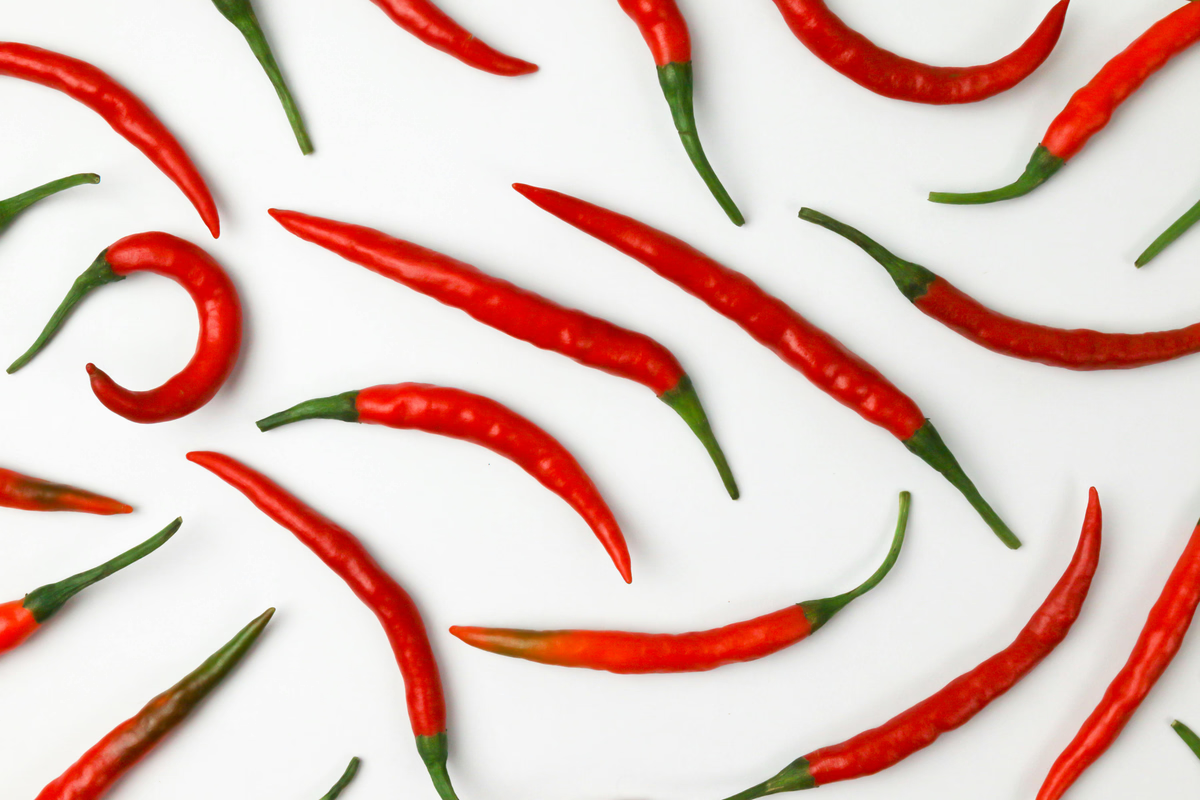
Cayenne pepper belongs to the Capsicum family, commonly known as chili peppers, and is classified botanically as Capsicum annuum. The name “cayenne” derives from the city of Cayenne in French Guiana on the northeast coast of South America, where the pepper was historically cultivated.
History
Chili peppers, cayenne included, have a 7,000-year history in Central and South America. Early cultivation was ornamental. Culinary and medicinal uses followed.
Christopher Columbus brought chili peppers from the Caribbean to Europe in the late 15th century, where they served as a cheaper alternative to Asian black pepper. Ferdinand Magellan introduced them to Africa and Asia during his circumnavigation. Both continents absorbed them into local cuisines and traditional pharmacopeias. Today, China, Turkey, Nigeria, Spain, and Mexico rank among the largest commercial producers.
How to select and store
Local spice shops and ethnic markets often stock cayenne pepper of higher quality and freshness than standard supermarket options. Organically grown dried cayenne is preferable, as it has not been irradiated.
Store cayenne pepper in a tightly sealed glass jar away from direct sunlight.
How to enjoy
Serving ideas
- A pinch of cayenne transforms a vegetable saute.
- Sprinkle cayenne over beans, lentils, or grain bowls for a sharp heat accent.
- Traditional Mexican hot chocolate includes a small amount of cayenne.
- Cayenne and lemon juice pair well with cooked bitter greens: collards, kale, mustard greens.
Individual concerns
Nightshade family
Cayenne pepper is a member of the nightshade (Solanaceae) family, along with eggplant, tomatoes, bell peppers, and white potatoes. Some anecdotal reports link arthritis symptom improvement with nightshade elimination, but controlled clinical studies have not confirmed this association.
Nutritional profile
Two teaspoons (3.6 g, 11 calories) of cayenne pepper provide 74.9 mcg RAE of vitamin A (8.3% DV), 1.07 mg of vitamin E (7.1% DV), and 0.09 mg of vitamin B6 (5.3% DV). Cayenne also supplies 0.98 g of fiber (3.9% DV), 2.75 mg of vitamin C (3.7% DV), 0.07 mg of manganese (3.5% DV), and 2.89 mcg of vitamin K (3.2% DV).
Nightshade sensitivity note
Nightshade vegetables, including cayenne pepper, are not tolerated by everyone. Some individuals report adverse reactions to solanaceous foods, though the prevalence and mechanisms remain poorly characterized in clinical literature. Anyone experiencing joint pain, digestive discomfort, or skin reactions after consuming nightshades may benefit from a supervised elimination trial.
Freshly ground spices release far more aroma than pre-ground. A heavy granite ChefSofi Granite Mortar and Pestle crushes whole spices quickly and lasts forever.
Recipes with Cayenne pepper
No recipes found.
Full Nutrient Profile
Related Articles
References
- Ensminger AH, Esminger M. K. J. e. al. Food for Health: A Nutrition Encyclopedia. Clovis, California: Pegus Press; 1986. 1986. PMID:15210.
- Gonzalez R, Dunkel R, Koletzko B, et al. Effect of capsaicin-containing red pepper sauce suspension on upper gastrointestinal motility in healthy volunteers. Dig Dis Sci 1998 Jun;43(6):1165-71. 1998. PMID:18140. https://doi.org/10.1042/bj1630605
- Hautkappe M, Roizen MF, Toledano A, et al. Review of the effectiveness of capsaicin for painful cutaneous disorders and neural dysfunction. Clin J Pain 1998 Jun;14:97-106. 1998. https://doi.org/10.1097/00002508-199806000-00003
- Kempaiah RK, Srinivasan K. Integrity of erythrocytes of hypercholesterolemic rats during spices treatment. Mol Cell Biochem 2002 Jul;236(1-2):155-61. 2002. https://doi.org/10.1023/a:1016199000149
- Sambaiah K, Satyanarayana MN. Hypocholesterolemic effect of red pepper & capsaicin. Indian J Exp Biol 1980 Aug;18(8):898-9. 1980. PMID:18150. https://doi.org/10.1016/0006-2952(77)90242-8
- Wood, Rebecca. The Whole Foods Encyclopedia. New York, NY: Prentice-Hall Press; 1988. 1988. PMID:15220. https://doi.org/10.1002/food.19770210206